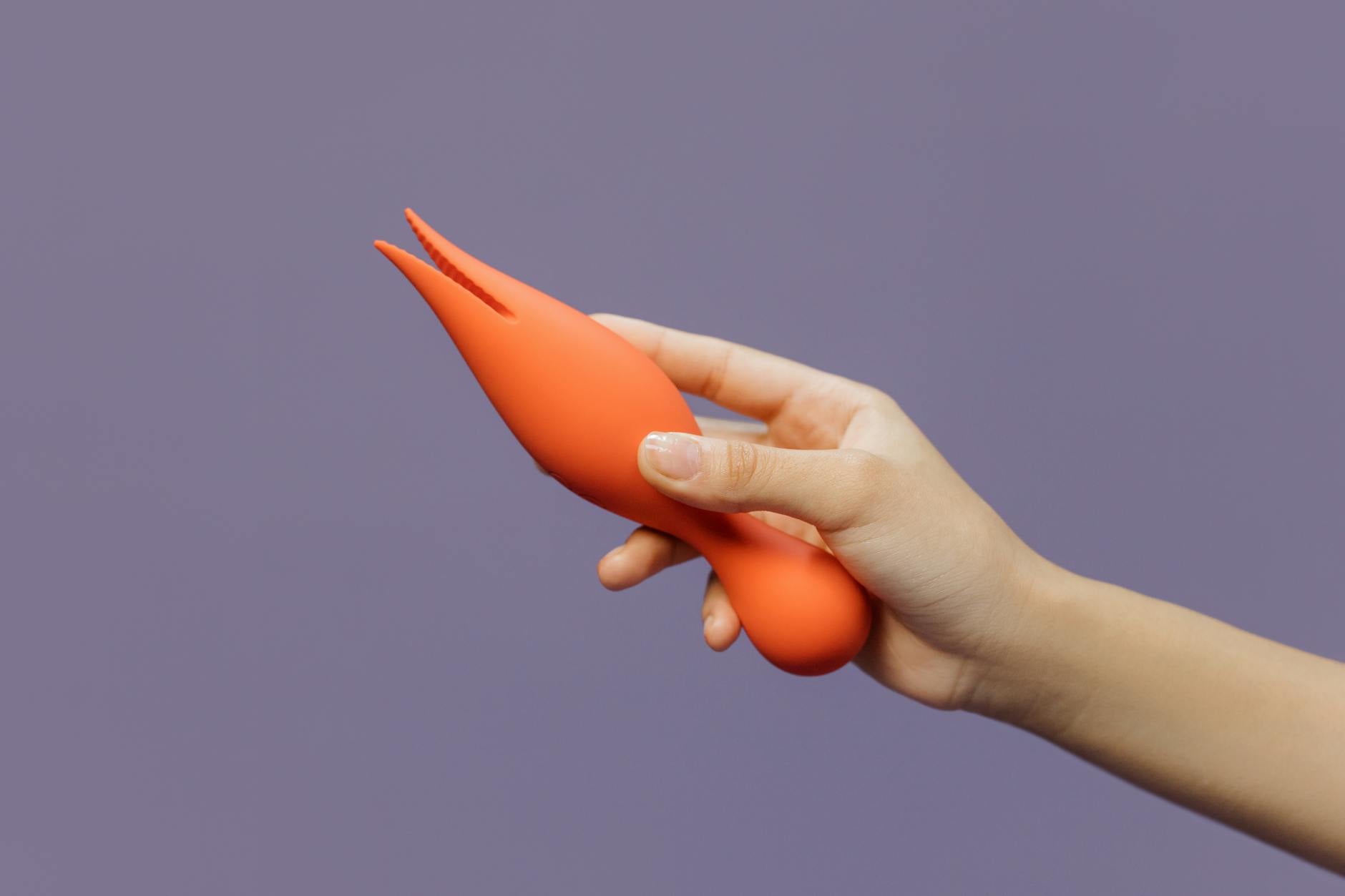
Does a Lemon Vibrator Feel Different After You Stop Smoking?
Here's the thing nobody talks about: smoking doesn't just affect your lungs. It affects your nerve endings, your blood flow, and your ability to feel pleasure.
If you're quitting or thinking about quitting, and you're wondering whether your lemon vibrator will feel different once nicotine leaves your system, the answer is yes. And for most people, it feels significantly better.
How nicotine actually dampens sensation
Nicotine is a vasoconstrictor, which is a fancy way of saying it makes blood vessels tighten. When your blood vessels are constricted, less blood reaches your vulva and clitoris. Your clitoris is basically a miniature organ made almost entirely of erectile tissue and nerve endings. When blood flow drops, arousal takes longer to build, sensation dulls, and orgasms become harder to reach.
That's not just anecdotal. Studies on smokers and sexual function show consistent patterns: people who smoke report lower arousal, less frequent orgasms, and less pleasure from sexual touch. The longer someone has smoked, the more pronounced the effect.
Beyond vasoconstriction, nicotine also messes with dopamine regulation. Dopamine is the neurotransmitter involved in pleasure, motivation, and reward sensitivity. Chronic nicotine use shifts how your brain responds to pleasure signals. When you're smoking regularly, your system becomes less responsive to other sources of stimulation because nicotine has trained your reward pathways to expect that specific hit.
Photo by cottonbro studio on Pexels
When does sensation actually come back?
The timeline depends on how long and how heavily you smoked, but the restoration starts fast.
Within the first week of quitting, blood oxygen levels rise. Your cardiovascular system begins adjusting. Many people notice they feel more alert and more physically aware within days.
Sensation improvements kick in around week 2-3. This is when people often report that their skin feels more sensitive to touch, food tastes stronger, and sensations in general feel sharper. Your clitoris and vulva are no exception.
By 3-6 months of not smoking, most of the physical restoration is complete. Blood flow normalizes, erectile tissue plumps back up, and nerves wake up. Your lemon vibrator will likely feel more intense than it did before. Some people say the difference is shocking.
The dopamine system takes longer. Full reward sensitivity recalibration can take months to over a year, depending on your history with nicotine. This isn't a barrier to pleasure right away, but it does mean that the deeper sense of joy and wanting that comes with pleasure takes a bit longer to fully return.
Why your lemon vibrator might feel almost too strong at first
Here's where it gets interesting. For people who quit smoking and start or restart using a clitoral vibrator like the Lem, the initial sensation can actually feel overwhelming.
Your nerve endings are waking up. Blood is flowing where it hasn't flowed in years. Your clitoris is suddenly responsive again. And then you introduce a device specifically designed to stimulate those newly sensitized nerve endings at high frequency. It can be a lot.
This is normal. It doesn't mean you're broken or that you were always broken. It means your body is healing.
If intensity feels uncomfortable at first, start with lower patterns. The Lem has multiple intensity settings for exactly this reason. Spend time at pattern 1 or 2. Let your nervous system adjust. You're not trying to reach orgasm during this adjustment phase. You're letting your body remember what sensation feels like.
Most people find that within 1-2 weeks of regular use, their baseline sensitivity settles into something that feels good rather than shocking.
The pleasure improvements go beyond vibration intensity
Yes, your lemon vibrator will feel stronger. But the bigger shift is usually something more subtle and more profound: your capacity to relax into pleasure.
Smoking affects your nervous system's ability to parasympathetic regulate. Nicotine keeps you in a mild state of alert. When you quit, your body can actually settle into the calm, receptive state that allows deep pleasure to happen.
This is one reason why orgasms after quitting smoking are often described as fuller or more satisfying. It's not just that sensation is sharper. It's that your whole system can relax into the experience.
Partners often notice this too. The ability to be present, to make eye contact without distraction, to let go of external thought. That's not about the vibrator. That's about your nervous system finally getting to rest.
What if you've been smoking for decades
If you quit after 20, 30, or 40 years of smoking, your body has a longer journey of recovery. But recovery still happens.
The first three months show the most dramatic changes. After that, improvements continue more gradually over the next 6-12 months. Some people report continued enhancements in sensation and pleasure up to 2 years after quitting.
One thing I want to be clear about: if you've had very low sensation for a very long time, quitting smoking won't give you back sensation you never had. But it will give you back what you had before you started smoking, and probably more.
If sensation doesn't improve after 6 months of not smoking, talk to a doctor. Sometimes there are other contributors, and they're worth investigating.
Using your lemon vibrator as motivation
I know this might sound weird, but a lot of people find it helpful to think of using their lemon vibrator or other clitoral vibrators as part of their quitting practice.
Your pleasure matters. Your body deserves to feel good. That's not a frivolous reason to quit smoking. That's a genuine biological fact and a legitimate part of your health.
Some people keep their Lem in a visible place as a tangible reminder of what they're working toward. Not in a punitive way. Just in a clear way. This is for me. This is what I deserve to feel.
The unexpected emotional shift
Beyond the physical changes, quitting smoking often comes with an emotional shift around pleasure and self-care.
Smoking is often about numbing, managing stress, or taking a break from discomfort. When you quit, you're often working with that discomfort differently. And pleasure, paradoxically, becomes both more accessible and sometimes more fraught. Because you're not numbing through it.
That's where a trusted partner or a therapist can help. Pleasure and quitting smoking are often tangled up with bigger questions about self-worth, anxiety, and how you've been coping. Working with those at the same time you're working with the physical side of quitting makes the whole thing more stable.
FAQ: Smoking, Sensation, and Lemon Vibrators
How long after quitting smoking will my lemon vibrator feel different?
Most people notice changes within 2-3 weeks. Blood flow improves quickly, and nerve sensitivity starts coming back fast. The full restoration of sensation takes 3-6 months, and dopamine sensitivity continues improving up to a year or longer. You don't have to wait months to feel a difference, but you will keep noticing improvements as you go.
Will my sensitivity go back to normal if I start smoking again?
Yes, unfortunately. If you return to regular smoking after quitting, the vasoconstriction and dopamine disruption start again. The good news is that once you quit again, the recovery timeline is about the same. Your body doesn't lose the ability to bounce back.
Can I use my lemon vibrator while I'm quitting?
Absolutely. Using your clitoral vibrator while you're quitting can actually be helpful. It gives your nervous system a positive reward signal that doesn't involve nicotine. It also gives you data about your body's recovery in real time. Just start with lower intensity and work your way up as sensation returns.
Does secondhand smoke also reduce sensation?
Yes, though the effect is less dramatic than active smoking. Regular secondhand smoke exposure still reduces blood flow and nerve sensitivity. If you're in a high smoke exposure environment, addressing that will also help restore sensation and pleasure.
What if I use a nicotine replacement like patches or gum while quitting?
Nicotine replacement therapy (NRT) like patches, gum, or lozenges also causes vasoconstriction, though usually to a lesser degree than smoking. The main advantage of NRT is that it separates the nicotine from the behavioral and psychological addiction to smoking. Your sensation will still improve during NRT, but the improvement will be less dramatic than if you go fully nicotine-free. Once you quit NRT, the final push toward full sensation recovery happens.
Is it normal for my clitoris to feel sore after quitting smoking and using a lemon vibrator?
Mild sensitivity is normal as nerve endings wake up. If it's actual pain or soreness that doesn't resolve in a few days, ease back on intensity and frequency. If it persists beyond a week, check in with your doctor. Usually, soreness means you're going too hard too fast on newly sensitized tissue.
Can a partner help with this transition?
Yes. Whether you're using a lemon sucker like the Lem solo or with a partner, communication helps. Let your partner know you're in recovery mode. Your body is changing. Sensitivity is returning. That might mean certain touch feels too intense right now, or it might mean you feel more pleasure than you have in years. Having that conversation takes pressure off and makes the experience more collaborative.
The bottom line
Your lemon vibrator will feel different after you quit smoking. For almost everyone, it feels better. Sharper, more responsive, more satisfying. Your clitoris will wake up. Your nervous system will relax. Orgasms will become easier and often more intense.
This isn't a reason to quit smoking (though quitting is great for your entire body). It's a bonus. It's one more way your body rewards you for taking care of yourself.
If you're quitting and you want more support on the emotional and relational side of that transition, talk to a counselor or therapist. If you have questions about sensation, pleasure, or how your body is responding, a healthcare provider who specializes in sexual health can help.