Let's be real about pelvic floor dysfunction and pleasure
Pelvic floor dysfunction doesn't mean your pleasure ends. It does mean the way you experience it changes. Tight muscles, weak muscles, or the scar tissue from treatment can shift everything from how fast arousal builds to what kind of touch actually feels good. Most people don't talk about this part openly, which means you're left guessing whether the problem is physical, psychological, or some combination that no one has a name for.
Here's what I've seen working with couples navigating this: the right tool makes a genuine difference. And for people dealing with pelvic floor issues, a lemon vibrator offers something friction-based toys often don't.
How pelvic floor dysfunction changes sensation
Your pelvic floor is a hammock of muscles that supports your bladder, uterus, and bowel. When those muscles tighten too much (hypertonia), relax too little (hypotonia), or have scar tissue from surgery or trauma, sensation changes. Sometimes arousal becomes harder to access. Sometimes the area feels numb or hypersensitive. Sometimes orgasm feels muted or even painful.
The nerve pathways in your pelvic floor send constant feedback to your brain about what's happening. Dysfunction interrupts that conversation. Stimulation that used to feel electric might now feel distant. Or it might feel overwhelming in ways that make you want to pull back.
This isn't weakness. This isn't broken. It's just different wiring in the same electrical system.
Why suction works differently than vibration alone
Most vibrators use direct contact and oscillation. They press against tissue and shake. For someone with pelvic floor dysfunction, especially hypertonia (tight muscles), this friction can trigger your muscles to guard even more, which pulls pleasure further away. It's your body's protective reflex, completely automatic, and completely frustrating.
A lemon vibrator, also called a lemon clitoral vibrator or lemon sucker, uses air-pulse technology instead. It creates a gentle suction that mimics oral sensation without aggressive friction. This works in your favor because suction stimulates the deeper nerve clusters in the clitoris without demanding surface-level sensitivity.
Think of it this way. Friction says "pressure here." Suction says "expand here." For someone whose muscles are already tense, expansion is easier to accept than compression.

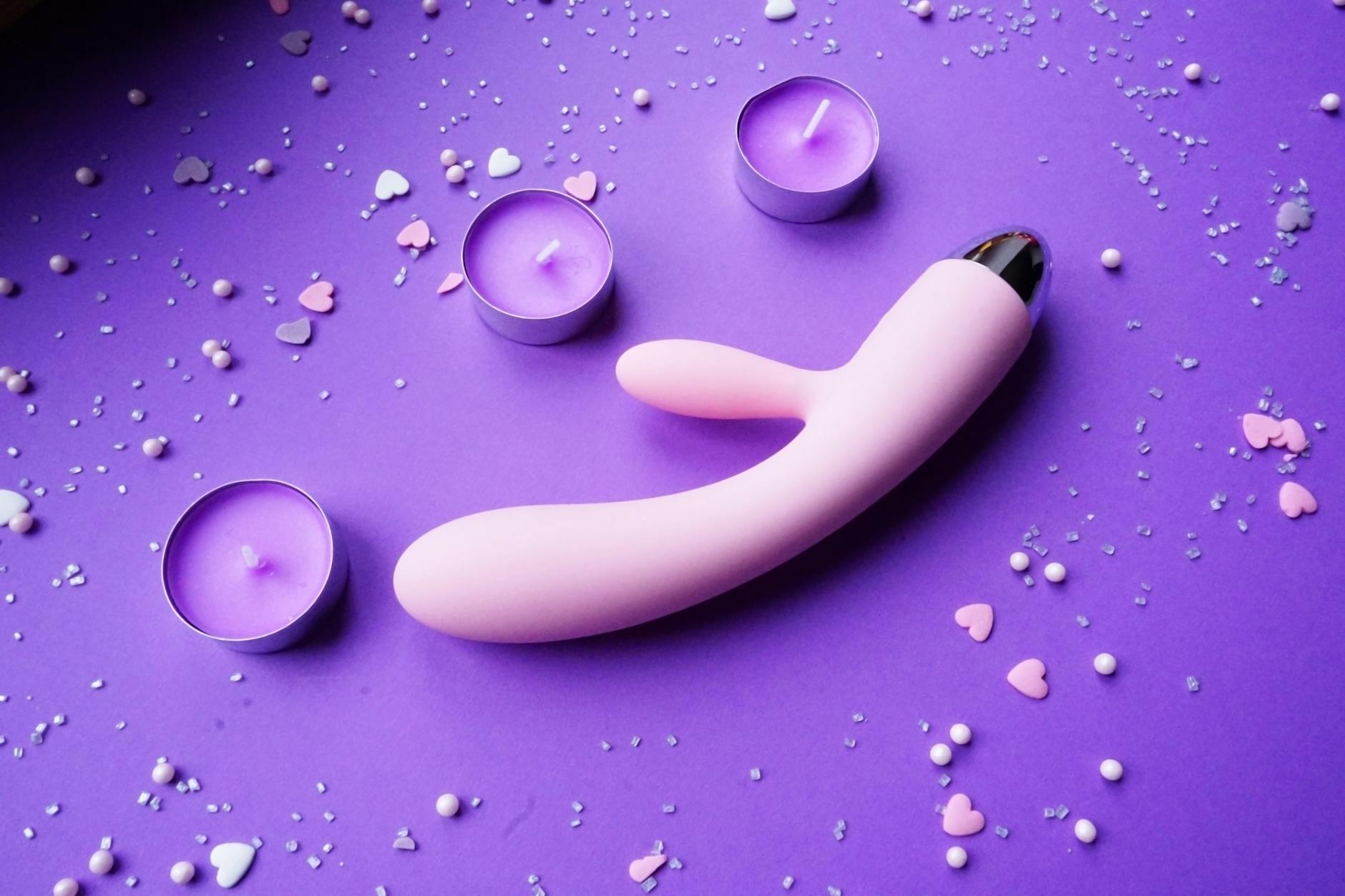
Photo by SHVETS production on Pexels
The nervous system piece nobody mentions
Your pelvic floor doesn't exist in isolation. It's connected to your nervous system's threat-detection circuitry. When you've had pain, dysfunction, or trauma in that area, your nervous system flags it as a place to protect. That means your body might clench before your brain even registers what's happening.
This is why relaxation during stimulation becomes crucial. And this is where a lemon vibrator's pattern variability helps. Most lemon clitoral vibrators have multiple intensity settings and pulse patterns. Lower intensities give your nervous system a chance to register "this is okay, not a threat" before you move up. Pulse patterns let you vary the sensation, which prevents habituation and keeps your brain engaged.
When your nervous system feels safe, your pelvic floor can actually relax. When your pelvic floor relaxes, sensation becomes possible. It's a chain reaction.
What you need to know before you start
Three things matter more than anything else here.
First, pelvic floor physical therapy should ideally happen before or alongside toy use. Not because toys are bad, but because therapy teaches you how to consciously relax those muscles. You can't unclench something if you don't know how to access the relaxation in the first place. A PT will give you that foundation.
Second, lubrication becomes even more important than with people without dysfunction. Whether your dysfunction caused dryness or you're simply being cautious, water-based lubricant makes every sensation clearer and gentler. It reduces friction on sensitive tissue and lets suction work more efficiently.
Third, start low and go slow. If your baseline is zero, you don't need intensity level 5. Many people with pelvic floor dysfunction find their sweet spot at patterns 1 or 2 on a lemon vibrator. The goal isn't maximum stimulation. It's consistent, gentle stimulation that your nervous system can process without triggering protection mode.
Real expectations for pleasure rebuilding
I want to be honest about something. Pleasure after pelvic floor dysfunction often doesn't feel like it did before. Sometimes it's better. Sometimes it takes longer to access. Sometimes it arrives in unexpected shapes. The goal isn't to recreate what was. It's to discover what's available now.
Using a lemon vibrator isn't magic. But it removes one major barrier. By working with your nervous system instead of against it, suction-based stimulation can help you actually feel sensation in a way friction toys sometimes can't. That's not insignificant. That's often the difference between pleasure feeling possible and impossible.
Many of my clients report that after weeks of consistent use with the right tool, sensation gradually sharpens. The area feels less numb. Arousal becomes more accessible. Orgasm, when it arrives, often feels more integrated because your whole pelvic floor gets to participate instead of staying locked in protection mode.
The partner conversation matters
If you're working with a partner during this process, your most valuable conversation isn't about the toy. It's about pace. Let your partner know that pleasure might take longer to build, that you might need to pause and restart, that sensation might vary day to day. None of this means anything is wrong. It means you need rhythm and patience, and that's actually pretty reasonable.
Using a lemon clitoral vibrator together can be intimate rather than clinical. Your partner can notice what patterns your body responds to, what intensity makes you relax rather than tense, what pacing lets you stay engaged. That feedback is gold for rebuilding pleasure together.
When to seek additional help
If pain persists even with appropriate tools and lubrication, check in with a pelvic floor physical therapist or a gynecologist trained in pelvic floor dysfunction. Sometimes there's scar tissue that needs release work. Sometimes there's an underlying condition that needs treatment.
If you're experiencing numbness that doesn't improve over weeks of gentle stimulation, that's also worth discussing with a specialist. Numbness sometimes indicates nerve involvement that goes beyond what a toy can address.
But if you're experiencing reduced sensation that gradually improves with consistent, gentle stimulation using the right tool, you're on the right track. Give it time.
The long view on pleasure after pelvic floor dysfunction
Pelvic floor dysfunction is a plot twist in your body's story, not the ending. Using a tool like a lemon vibrator isn't about forcing pleasure. It's about working with your nervous system and your pelvic floor in a way that actually feels sustainable. Suction-based stimulation removes friction barriers, allows your nervous system to regulate, and often helps sensation gradually return or evolve into something new.
Your pleasure matters. You deserve tools that work with your body, not against it. A lemon sucker's gentle approach often does exactly that.
Frequently asked questions
Can I use a lemon vibrator if I have pelvic floor hypertonia?
Yes, and it's often a better choice than friction vibrators. Hypertonia means your muscles are already tight, so additional pressure from friction can trigger more clenching. Suction works with gentle expansion instead. Start at the lowest intensity and focus on relaxation rather than stimulation. If any sensation triggers pain or panic, pause and return to pelvic floor PT work before continuing.
How long does it take to feel sensation again after pelvic floor dysfunction?
There's no universal timeline. Some people notice improvement within two to four weeks of consistent, gentle stimulation paired with pelvic floor therapy. Others take longer. Numbness that results from nerve involvement sometimes takes months to shift. Focusing on gradual progress rather than speed usually produces better results emotionally and physically.
Is it normal to need longer warm-up time when I have pelvic floor dysfunction?
Completely normal. Pelvic floor dysfunction often slows arousal because your nervous system is being protective. Budget 15 to 25 minutes for warm-up instead of assuming you're broken if it doesn't happen in five. Longer warm-up paired with a lemon clitoral vibrator often makes arousal more accessible because you're giving your body actual time to shift gears.
Can my partner use a lemon vibrator on me if I have pelvic floor issues?
Yes. In fact, many people find partner-assisted stimulation less triggering because they're not managing the tool themselves, which frees mental space for relaxation. Your partner can respond to your breathing, pace changes, and signals in real time. That responsiveness is something you can't do alone. Make sure you've talked about what patterns and intensities feel good.
Do I need a specific type of lube with a lemon vibrator if I have pelvic floor dysfunction?
Water-based lube is the standard for silicone toys, but for pelvic floor dysfunction specifically, you might want a thicker, more cushioning formula. Hyaluronic acid-based lubes add extra glide without being slippery. Some people with hypotonia prefer heavier formulas. Experiment, and remember that lubrication is not optional. It's essential infrastructure for safe, pleasant sensation.
What if a lemon vibrator doesn't work for my pelvic floor dysfunction?
Not every tool works for every person, and that's legitimate. Some people with pelvic floor dysfunction respond better to external vibration, wand vibrators, or pure manual stimulation from a partner. The goal is finding what allows your nervous system to relax, not proving that one specific toy is the answer. If suction-based tools don't land for you, try other approaches without shame.
Ready to rebuild?
Navigating pleasure after pelvic floor dysfunction takes patience, the right tool, and usually some professional support. If you're considering trying a lemon vibrator, start with the foundational work. Talk to your pelvic floor physical therapist about toy use. Get clear guidance on lubrication and safety. Then give yourself grace as sensation gradually returns or transforms into something different.
Your pleasure deserves that investment. If you have questions about how Hello Nancy products might fit into your specific situation, or if you'd like personalized guidance, reach out to our team at /contact. We're here to help you find what works.