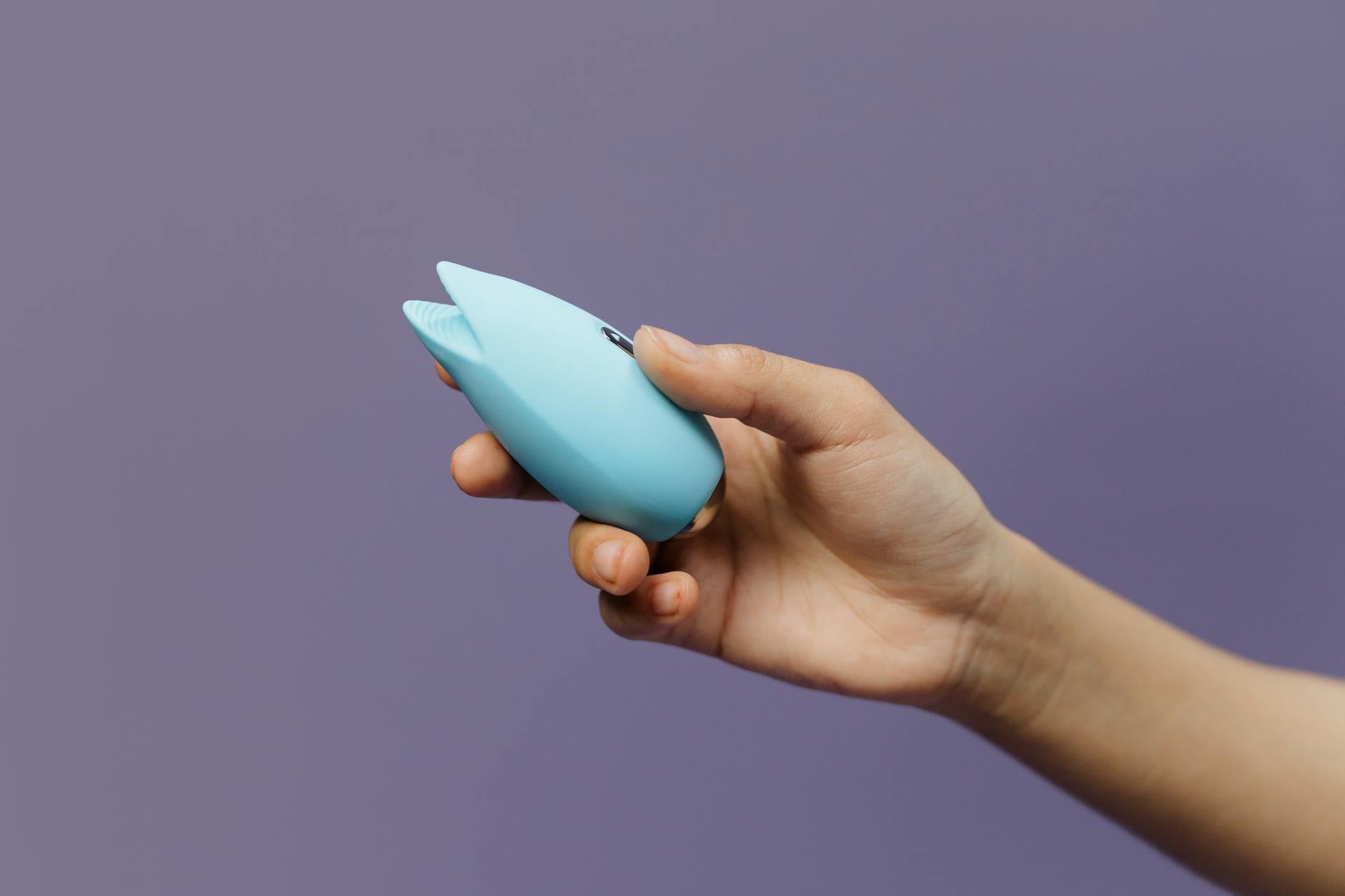
How Lemon Vibrators Help Restore Sensation After Pelvic Floor Physical Therapy
The paradox nobody warns you about
Pelvic floor physical therapy is some of the best work you can do for your body. But here's what nobody tells you beforehand: the healing process sometimes comes with a strange side effect. Your therapist spends weeks releasing tension, stretching tissue, and retraining your nervous system. Your pain improves. Your tightness loosens. And then you notice something odd. Your pleasure feels muted. Sensation that used to arrive quickly now takes forever to show up. Or it arrives, but it's quieter, further away.
This is normal. It's temporary. And there's a science-backed way to work through it.
Why pelvic floor therapy can temporarily reduce sensation
Your pelvic floor is a web of muscles and nerves packed densely into a small space. When those muscles are chronically tight, they're in a state of partial activation. Over time, your nervous system learns to live with that baseline tension. It's like someone talking in a noisy room for so long that the noise becomes the normal, and then one day someone turns the volume down and everything feels too quiet.
When a pelvic floor therapist releases that tension, they're literally rewiring the signal. Your muscles learn to relax. Your nervous system recalibrates what "resting" actually means. During this recalibration period, which typically lasts two to four weeks, sensation can feel dampened. This isn't damage. It's adaptation. Your body is figuring out how to feel pleasure through a new baseline of relaxation instead of the old baseline of tension.
The second thing happening is proprioceptive resetting. Your pelvic floor contains a dense network of sensory receptors that tell your brain where your body is in space. Therapy shifts those signals. For a little while, the connection feels fuzzy. Some people describe it as numbness. Others say it's just different. Both are accurate.
The role of vibration in nervous system recalibration
Here's where lemon clitoral vibrators become useful. Vibration is a specific type of sensory input that your nervous system processes through a different pathway than static pressure or touch. When you use a lemon vibrator, you're essentially giving your nervous system a clear, repeatable signal that bypasses some of the confusion during the recalibration period.
Think of vibration like a tuning fork for sensation. It's consistent, predictable, and it wakes up nerve endings without requiring the complex coordination that slower sensation demands. Your clitoris has over 8,000 nerve endings. A lemon vibrator, with its suction patterns and gentle oscillation, stimulates those nerves in a way that feels accessible even when sensation is in flux.
The key is that vibration doesn't require you to "wait" for pleasure. You're not trying to feel something that isn't there yet. You're creating a direct sensory pathway that your nervous system can work with, here and now.
How to reintegrate lemon vibrators safely during recovery
Timing matters. If you're still in active pelvic floor physical therapy sessions, ask your therapist before using any vibrator. Some therapists want you to wait until muscles have stabilized further. Others are fine with it earlier. Most will give you the green light around two to three weeks into consistent therapy.
When you do start using a lemon vibrator during recovery, three principles make the difference.
Start with the lowest intensity. On the Lem vibrator, begin with pattern 1 or 2. Your nervous system is already doing adaptation work. Low stimulation lets you relearn pleasure without overwhelming your system. You can increase intensity in future sessions.
Session length matters more than intensity. Spend 15 to 20 minutes, rather than five intense minutes. Your recalibrating nervous system benefits from sustained, gentle input more than from powerful bursts. It's like teaching a muscle to coordinate. Repetition, not force.
Partner with your breath. During pelvic floor therapy, you learn to breathe into sensation rather than brace against it. Use that skill with your vibrator too. Slow breathing tells your nervous system that this is safe. It reduces the bracing reflex that can block sensation. Breath moves blood, blood moves sensation.
What sensation during recovery actually feels like
Honestly, for the first week or two, it might feel like not much is happening. You'll feel the vibrator working, but pleasure might feel intellectually distant. You know it should feel good. It's not that you're broken or that the lemon vibrator isn't working. Your nervous system is literally still learning the new signals.
Keep going anyway. Usually by week three or four of consistent use, something shifts. Sensation becomes crisp again. Orgasms return with their familiar intensity. Some people report that sensation actually feels richer after recovery than it did before, which makes sense. You've now experienced relaxed pleasure in addition to tension-based pleasure. Your nervous system has more vocabulary.
Common setbacks and what they mean
Some people experience a temporary flare in tightness or discomfort when they restart pleasure during recovery. This usually means either you started too soon, or you went too intense too fast. Neither is permanent.
Back off intensity for a few sessions. You can restart therapy conversation with your physical therapist about pacing. Most importantly, don't panic. Setbacks during recovery are information, not failure.
Some people find that sensation returns unevenly. One side of the clitoris feels responsive, the other doesn't. This is a nerve thing, not a device thing. Keep exploring gently. Asymmetrical sensation usually balances out within a few weeks.
How lemon clitoral vibrators compare to other approaches
Lubricant helps too, of course. But lube is passive. You're adding moisture. A vibrator is active stimulation. It's giving your nervous system something to actively process.
Practicing Kegel exercises during recovery is standard advice, but many people find that lemon vibrators actually integrate better into a home practice. Instead of contracting, then releasing, then waiting to feel something, you're contracting in response to clear sensory input. The vibrator becomes a biofeedback tool, teaching your pelvic floor what responsive feels like.
Some people use heating pads or warm baths. Those help with relaxation. But they don't provide the specific sensory retraining that vibration does. The two can absolutely coexist. Warm bath, then lemon vibrator session. Both are part of recovery.
The emotional piece of reclaiming sensation
Here's something that often doesn't get mentioned in recovery conversations. Losing sensation, even temporarily, can trigger real grief or anxiety. Sex is a way you usually feel good. A way your body works. For a few weeks, that's different. Some people feel separated from their pleasure, their sexuality, their partner.
Using a lemon vibrator during recovery isn't just physiology. It's also a way of saying to yourself: "I'm still here. My pleasure matters. I'm meeting this body where it actually is, not where I want it to be." That emotional work is part of the healing.
If you're using lemon vibrators with a partner during recovery, communication is everything. Tell them what's normal, what's changing, what feels good and what doesn't. You're teaching your partner about this new baseline at the same time your nervous system is learning it. That shared process often deepens intimacy more than you'd expect.
When to involve your therapist
If sensation doesn't improve after six weeks of consistent use, or if using a vibrator triggers pain, talk to your physical therapist. Some people have additional nerve involvement or other factors that need direct assessment. Lemon vibrators are powerful tools, but they're not replacements for professional guidance when something feels wrong.
Most of the time, though, patience plus the right approach brings sensation back. Your nervous system is adaptable. Pelvic floor therapy is healing. And lemon clitoral vibrators, when used thoughtfully during recovery, can help bridge that gap between release and reconnection.
Frequently asked questions
How long after pelvic floor therapy can I use a lemon vibrator?
Most physical therapists recommend waiting two to three weeks into active therapy sessions before reintroducing vibrators. Your pelvic floor needs time to stabilize and your nervous system needs time to recalibrate. Ask your therapist specifically, since everyone's timeline is slightly different. If you had pain as your main symptom, you'll likely get the green light sooner than if you had severe tension or spasm.
Can using a lemon vibrator interfere with my pelvic floor healing?
Not when you're using it thoughtfully. In fact, many therapists appreciate that vibrators help their clients maintain awareness of their pelvic floor between sessions. The key is using low intensity and starting conservatively. If your vibrator sessions ever trigger pain or excessive tightness, pull back and talk to your therapist about timing.
Why does my clitoris feel numb even with a vibrator?
Numbness during pelvic floor recovery is your nervous system adapting. It's temporary. Keep using the vibrator at low intensity. You're essentially retraining sensation. The numbness usually resolves within two to four weeks of consistent, gentle use. If it persists beyond six weeks, check in with your therapist.
Is it normal for orgasms to feel different after pelvic floor therapy?
Completely normal. You've changed the baseline tension in your pelvic floor. That changes how orgasms feel. They might be less intense initially, or more localized, or require a different approach to build. Give yourself grace through that adjustment. Many people find that orgasms become more nuanced and intense once the recalibration settles.
Should I use a lemon vibrator for pelvic floor therapy itself, or just during recovery?
Lemon vibrators are pleasure tools, not physical therapy tools. You shouldn't use them during an active therapy session with your therapist. But using them at home between sessions during recovery? That's exactly the right use. It complements your therapy work rather than replacing it.
What if lemon vibrator use makes my pelvic floor tighten again?
That's usually a sign you went too intense or too early. Back off to a lower pattern, shorten your session to 10 minutes, or give yourself a day off. Tightness can return if your nervous system gets overwhelmed. Slow, steady stimulation is what helps recalibration. Quick jumps in intensity can trigger a protective bracing response.
The path forward
Pelvic floor physical therapy is an investment in your body's long-term health and pleasure capacity. The temporary numbness that sometimes arrives isn't a setback. It's part of the nervous system's learning process. With the right approach, lemon clitoral vibrators can help you move through that phase faster and more pleasantly, reconnecting to sensation in a way that feels grounded and real. Your body's pleasure is worth the patience.
Want more support navigating this transition? Reach out to us. We're here to answer questions about using lemon vibrators during any phase of your healing journey.