When avoidance becomes your default
Sexual avoidance is a survival skill. Sometimes it protects you from a relationship that hurts. Sometimes it guards you from past trauma. Sometimes it's just easier than facing the messy tangle of desire, disappointment, and vulnerability. Whatever the reason you stopped, the body remembers. Years of avoiding pleasure creates a specific kind of numbness that isn't just physical. It's learned disconnection.
Here's the thing most people don't realize: rewiring that numbing doesn't happen through willpower alone. You can't think your way back into sensation. But you can create the conditions for it to return, and tools like lemon clitoral vibrators are surprisingly good at doing exactly that.
Why avoidance creates such deep numbness
When you avoid something for years, your nervous system stops sending the usual "hey, pay attention to this" signals. Your clitoris doesn't forget how to feel pleasure. But your brain does forget how to listen. This is why it's not the same as just "being out of practice."
Years of avoidance also typically mean you've built a protective layer. Maybe you dissociate during sex. Maybe you've trained yourself not to notice arousal cues. Maybe you've gotten used to the small death of desire and now it feels safer that way. Breaking that pattern requires more than just time or a new partner. It requires deliberate, gentle re-engagement with your own body.
The challenge is that many lemon sexual toys and vibrators are designed for people already in the feeling zone. They're intense, they expect responsiveness, they demand attention. When you're coming back from years of avoidance, that intensity can feel triggering or too loud. It can push you back into shutdown mode.
Why suction-based stimulation works differently here
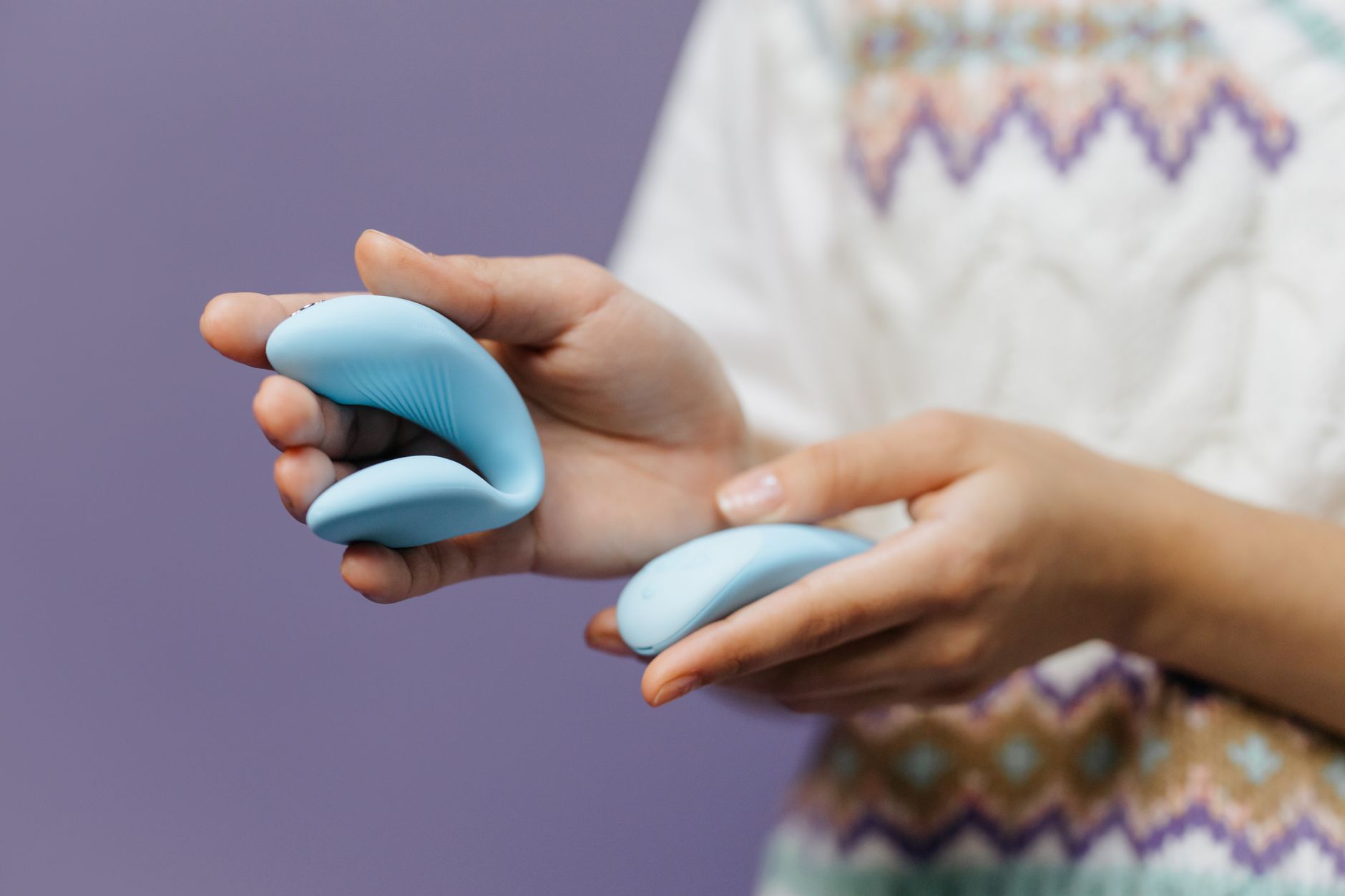
This is where the mechanics matter. Traditional vibration works through rapid movement. It's direct, it's intense, and it requires your body to already be somewhat primed. Suction-based stimulation with lemon clitoral vibrators like the Lem works through a different mechanism. It creates a gentle pressure and release cycle that doesn't demand responsiveness. You don't have to be aroused for it to feel good. It kind of does the work for you.
For someone rebuilding after years of avoidance, this is huge. You can start using a suction vibrator at low intensity and genuinely just... feel it. No pressure to respond. No expectation of climax. Just sensation returning to tissue that's been dormant.
Creating the conditions for reconnection
Three things matter more than the tool itself:
Time without pressure. Budget 20-40 minutes, not five. You're not trying to get anywhere. You're trying to remember what pleasure feels like. Lemon vibrators work slowly, and that's the point. Your nervous system needs time to shift from protective mode to receptive mode. That takes longer than most people expect.
A private, bored-free space. You need physical privacy, yes. But you also need mental privacy from the pressure to perform or succeed. This isn't a workout. It's a quiet experiment with your own body. Your only job is to notice what you notice. The vibration. The warmth. The building sensation, if it comes. There's no failing here.
Starting at impossibly low settings. This sounds simple but most people skip it. They think "well, I'm an adult, I can handle intensity." But when you're rebuilding, low isn't boring. Low is actually enough to wake up tissue that's been quiet for years. Start at pattern one on a lemon clitoral vibrator and spend a full session there before turning it up. You might be surprised how satisfying that is.
The emotional work that happens alongside
Here's where the messy part comes in. Rebuilding pleasure after years of avoidance usually means you're also grieving something. Grieving the years you lost. Grieving the connection you didn't have. Grieving the intimacy that might have been possible. This grief is real and it shows up in the body. Sometimes while you're using a tool like the Lem, you'll feel emotion instead of pleasure. You might cry. That's normal. That's actually part of the rebuild.
The other thing that sometimes emerges is anger. Anger at your body for the years it spent numb. Anger at a partner or past partners for the reasons you shut down. Anger at yourself for the time lost. This is also normal. You don't have to fix it or spiritualize it. You can just let it be there alongside the reconnection. Both can be true.
Many people find that working with a therapist alongside physical reconnection helps. Not because something is wrong with you, but because integrating years of avoidance is complex work. A good therapist can help you understand what kept you protected for so long and what might help you move forward now.
What rebuilding actually looks like, week by week
Week one and two, you're mostly just noticing. Using a lemon vibrator and observing what happens. Maybe nothing happens, and that's fine. You're building a new neural pathway: "this is a thing I can do, and it's safe."
Week three and four, sensation might start appearing. Maybe your clitoris is more responsive. Maybe you notice arousal that you haven't felt in years. This can feel strange or even uncomfortable. That's normal. You're waking up a part of yourself that's been sleeping.
By week six or eight, many people report that pleasure is starting to feel genuinely available again. Not constantly, but more often. And importantly, not as a goal you're chasing, but as something your body is beginning to offer you.
This timeline is approximate. Rebuilding can take three months or three years. The speed isn't the point. Consistency is. Using a lemon clitoral vibrator once or twice a week, in a low-pressure way, for months, is more effective than intense use for a few weeks and then nothing.
Integrating this back into partnered intimacy
If you're rebuilding pleasure in a relationship, this is where the conversation gets important. Your partner needs to understand that your avoidance wasn't about them (usually), and your rebuild isn't their job to fix. What helps is if they can give you space and time without making it weird.
Some people prefer to do solo reconnection work first, building sensation and pleasure on their own terms. Others want to move back toward partnered sexuality at the same time. There's no wrong approach. The key is being honest about what feels manageable and what feels too vulnerable right now.
When you're ready to reintegrate with a partner, slow is still the rule. This isn't the time to jump back into the rhythm you had before. It's the time to explore what pleasure looks like now. That might mean your partner watching you use a lemon vibrator like the Lem. It might mean starting with touch, not sex. It might mean lots of conversation about what's happening in your body.
When to reach out for more support
If you're rebuilding and hitting a wall. If sensation starts returning but then disappears. If you notice that trauma memories are coming up. If the avoidance is tied to past sexual assault or deep relational hurt. These are all reasons to work with a therapist or a sex-positive healthcare provider. Rebuilding pleasure isn't something you have to do solo, and when the emotional layers are thick, professional support makes a real difference.
Years of avoidance have taught your nervous system a powerful lesson about protection. Rewiring that takes patience, consistency, and tools that don't demand too much too fast. Lemon vibrators, used gently and without pressure, can be a genuinely helpful part of that rebuilding. The sensation returns. The pleasure comes back. But only if you're willing to go slow.
FAQ: Rebuilding pleasure after sexual avoidance
How long does it typically take to feel sensation again after years of avoidance?
It depends on how long you avoided and how deep the protective shutdown went. For many people, light sensation returns within four to eight weeks of consistent, low-pressure use. More robust pleasure often takes three to six months. Some people need a year or more. The key is consistency, not intensity. Using a lemon clitoral vibrator gently twice a week for six months creates more change than using it intensely for three weeks and stopping.
Is it normal to feel nothing the first few times I use a lemon vibrator?
Completely normal. Your nervous system has been in protection mode. It takes time to believe that sensation is safe again. Many people report that the first session or two feels like nothing is happening, and then gradually, sensation starts appearing. You're not broken. You're just thawing out, and that takes patience.
Can I rebuild pleasure if I'm not in a relationship?
Yes, actually solo rebuilding can be easier in some ways. There's no partner's needs or timelines to factor in. You can move at your own pace and explore pleasure entirely on your terms. Many people find that getting comfortable with sensation alone first, using tools like the Lem, makes the transition back to partnered intimacy smoother. You already know what feels good before you're trying to communicate it to someone else.
What if negative emotions come up while I'm using a lemon vibrator?
This happens more often than people expect. Grief, anger, sadness. Your body is processing years of protection. Sometimes that means tears instead of pleasure. Let it happen. You don't have to fix it or make it spiritual. You can just notice it, give yourself space, and try again next time. If intense trauma memories come up, that's a sign to work with a therapist alongside your solo practice.
Should I tell my partner I'm rebuilding pleasure with a vibrator?
That depends on your relationship and your comfort level. Some people find it helpful to be transparent about the process. Others prefer to do this work privately and then gradually reintegrate. There's no rule. What matters is that you feel safe and that the work isn't shadowed by shame or secrecy. If you do decide to share, leading with "I'm doing some work to reconnect with pleasure" is clearer than a surprise reveal.
Is a lemon clitoral vibrator better for rebuilding than a different type of vibrator?
For most people rebuilding after years of avoidance, suction-based stimulation like the Lem is gentler and more forgiving than traditional vibration. It doesn't require the body to already be aroused. It's less jarring. That said, every body is different. Some people prefer wand vibrators. Some prefer other designs. Start with what feels least intimidating and go from there. You can always experiment as sensation returns.
Next steps: patience is your real tool
Rebuilding pleasure after years of avoidance isn't fast. It's not something you can push or force. But with consistency, the right tools, and space to move at your own pace, it happens. Your body hasn't forgotten how to feel pleasure. It's just been protecting you the best way it knew how. The Lemon Clit Massager and other lemon clitoral vibrators can be part of bringing sensation back. The real work is showing up for yourself, week after week, without pressure or judgment.
If you're struggling with this process or need to talk through what's coming up, reach out. You don't have to figure this out alone.