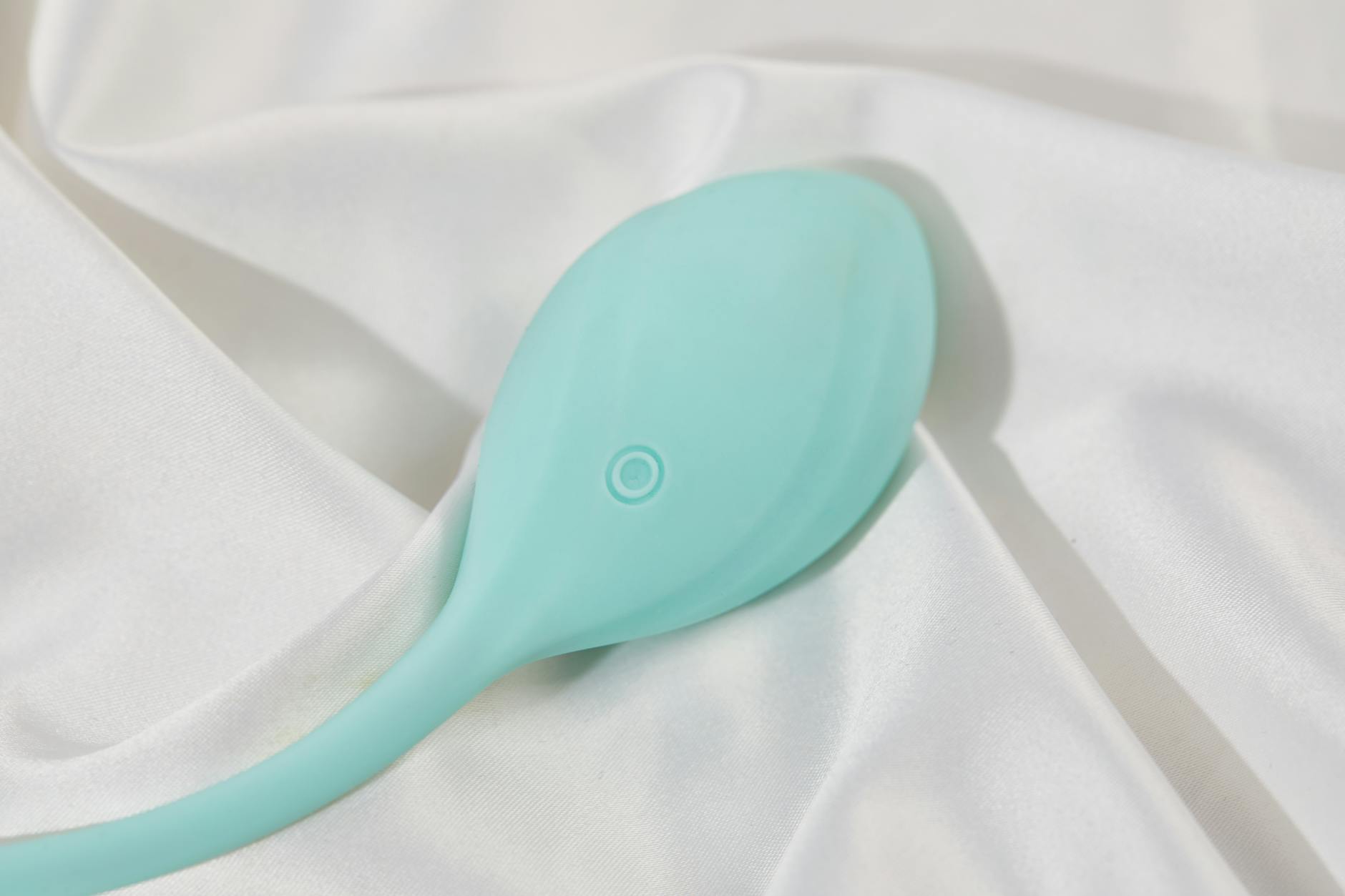
Let's be clear right from the start
You can use a lemon vibrator during pregnancy. Full stop. Sex, masturbation, and orgasms are safe during a healthy pregnancy for almost everyone. Your body is not fragile. Your baby is cushioned by amniotic fluid and tucked behind a closed cervix. Neither one is at risk from vibration.
What does change is how your body feels, how accessible certain positions and toys become, and what actually feels good. That's the conversation worth having.
The physiological reality of pregnancy and arousal
Pregnancy hormones do something weird and wonderful to your nervous system. Estrogen and progesterone surge, which increases blood flow to your genitals by up to 30 percent. This sounds like a recipe for heightened sensitivity and more intense orgasms. For some people, it absolutely is.
For others, it's the opposite. That same hormonal shift can make touch feel overwhelming, too intense, or just not what you want right now. Both are completely normal and neither one means something is wrong.
Your vulva and clitoris swell during pregnancy. The tissue becomes more engorged, the skin thins slightly, and nerve endings can feel more reactive. This is why some pregnant people report that orgasms arrive faster and feel stronger. This is also why some people find touch uncomfortable or triggering. Your job is to pay attention to what your specific body is telling you, not what the internet says should happen.
What changes with a lemon clitoral vibrator
Three things shift.
First, sensitivity intensifies. The Lem vibrator's signature suction pattern might feel overwhelming at full intensity where it once felt perfect. You'll likely want to start lower and move up gradually. Many pregnant people find patterns 1 through 3 more satisfying than the higher settings they used before pregnancy.
Second, physical access becomes harder. Your growing belly changes the angles. If you usually use a clitoral vibrator lying on your back, you might find that position uncomfortable by the second or third trimester. Side-lying, reclined (propped up with pillows), or seated positions often work better. If your partner is involved, you have more flexibility because they can adjust the angle for you.
Third, your threshold for multi-sensory input changes. Many pregnant people find they need more focus, less distraction, and less competing sensation. If you typically use a vibrator while penetrated by a partner, you might find during pregnancy that you want the vibrator solo, without the additional input. This isn't a loss. It's just different data about what your body needs right now.
The safety conversation
Here's what you actually need to know.
Orgasms during pregnancy do cause uterine contractions. They always do, pregnant or not. During pregnancy, these contractions are called Braxton Hicks contractions and they're harmless. They're how your uterus practices for labor. If you've had a healthy pregnancy with no complications, these contractions are not a trigger for early labor.
That said, if you have a history of preterm labor, a cerclage (a stitch placed in the cervix), placenta previa, or any condition your doctor flagged as requiring pelvic rest, then penetration and orgasm might be restricted. Ask your care provider directly. They'll give you clear yes or no guidance.
For the vast majority of healthy pregnancies, the Lem vibrator and other clitoral vibrators are completely safe. You're not putting anything inside your body. The vibration is external. There's no risk of infection, no risk of trauma, and no risk to the pregnancy.
One small thing worth knowing: some pregnant people report that orgasms late in pregnancy can trigger more noticeable contractions or cramping afterward. If this happens and it's uncomfortable, you can choose to avoid them in the final weeks. Plenty of people do. Equally, plenty of people keep having them right up until labor. Your comfort matters more than any rule.
How to adapt your technique
Start with positioning. You need to be comfortable. Lying on your left side with a pillow between your knees is often easiest, especially in the second and third trimester. You can also sit propped against pillows or lie reclined at a 45-degree angle. Experiment. Find what doesn't make your back or ligaments ache.
Then adjust intensity. Begin at the lowest setting, even if you used higher patterns before. Your tissue is more sensitive and your nervous system might process sensation differently right now. Work your way up. You might find that pattern 3 on the Lem feels like what pattern 6 used to feel like. That's not unusual.
Build in more warm-up time. The increased blood flow means arousal can happen faster, but not always. Some pregnant people find they need more foreplay, more mental engagement, or more time to feel ready. Allow 15 to 20 minutes instead of rushing. There's no deadline. Your pleasure isn't going anywhere.
Lastly, use lubrication even if you didn't before. Pregnancy can bring vaginal dryness alongside all that extra blood flow. It's one of those contradictions nobody warns you about. Water-based lube pairs perfectly with the Lem vibrator and takes any friction off the table.
The emotional layer that matters
Pregnancy is a time of profound bodily change. Your shape shifts. Your capacity shifts. Your energy shifts. And sometimes your desire shifts right along with it. This isn't always bad. Some pregnant people report that they feel more in their bodies, more sensual, and more connected to their sexuality than ever before.
Others feel touched out, invaded, or completely uninterested in sex. This is equally normal and equally valid. If you're in that camp, a lemon vibrator can be a tool for solo pleasure on your own terms, without the physical or emotional labor of partnered sex.
If you have a partner, the conversation is worth having directly. "I want to keep masturbating and I'm curious about continuing with my vibrator" is not the same as "I want us to have sex." You can have one, both, or neither. But naming what you actually want removes a ton of guessing and resentment.
When to check in with your care provider
If you experience cramping, bleeding, or fluid leakage after using a vibrator, mention it to your doctor or midwife at your next visit. It's probably nothing. Implantation bleeding, spotting, and extra discharge are all normal during pregnancy. But your care provider should know and can confirm there's nothing to worry about.
If you have questions about your specific pregnancy risk factors, ask directly. If your healthcare provider seems uncomfortable discussing sexual pleasure during pregnancy, that's a sign you might benefit from a more sex-positive provider. Your care matters. Your pleasure matters. Both can coexist.
Reclaiming pleasure on your terms
Pregnancy comes with a lot of external voices telling you what you should and shouldn't do with your body. One of the quiet rebellions available to you is remembering that your pleasure is yours. The Lem vibrator doesn't care that you're pregnant. Your clitoris doesn't care either. Both are ready to work with you exactly as you are right now.
If you're using a lemon vibrator for the first time during pregnancy, start slow, listen to your body, and don't assume that the way you used it before is the way you'll use it now. Your pregnancy is singular. Your pleasure is singular. Honor both.
People also ask
Is it safe to orgasm during pregnancy?
Yes, absolutely. Orgasms during pregnancy cause uterine contractions called Braxton Hicks contractions, which are harmless and normal. They're how your uterus prepares for labor. If your pregnancy is healthy and your doctor hasn't placed you on pelvic rest, orgasms are safe. If you do have complications or restrictions, your care provider will tell you explicitly.
Can a vibrator harm my baby during pregnancy?
No. Your baby is protected by amniotic fluid and the cervix remains sealed throughout pregnancy. A clitoral vibrator like the Lem works externally and poses zero risk to the pregnancy. There's no way for vibration to travel through the cervix or into the uterus.
Why does my lemon vibrator feel different now that I'm pregnant?
Your vulva and clitoris swell during pregnancy due to increased blood flow and hormonal changes. This means the tissue is more sensitive and reactive. You might find that lower intensity settings feel more satisfying, that warm-up takes longer, or that positions that worked before no longer feel comfortable. This is temporary and completely normal.
Will using a vibrator during pregnancy cause premature labor?
No. There is no clinical evidence that orgasms or vibrator use during a healthy pregnancy triggers early labor. Orgasms cause contractions, but Braxton Hicks contractions are not a labor trigger. If you have specific risk factors, your doctor will advise you, but for most pregnancies, the Lem vibrator is safe right up until delivery.
Should I tell my doctor I'm using a vibrator while pregnant?
You don't have to, but you can. If you have any pregnancy complications, ask your care provider about sexual activity and vibrator use. If your pregnancy is low-risk and straightforward, you don't need permission. Your pleasure is yours to claim. That said, if you experience unusual symptoms afterward, mention it to your provider so they can rule out anything unrelated to the vibrator.
What if I don't want sex or pleasure during pregnancy?
Then you don't need them. Not everyone feels sexual during pregnancy. Some people feel touched out, uncomfortable in their bodies, or simply uninterested. This doesn't make you broken or abnormal. You're allowed to opt out entirely. Equally, if you want solo pleasure without partnered sex, that's a valid choice too. Your body. Your terms.