Let's talk about the elephant in the room
Infidelity destroys the illusion that you know your partner. It shatters the assumption that sex belongs to both of you, and only both of you. The first time you try to be intimate after infidelity, your nervous system doesn't believe it's safe. You're not wrong to feel that. That belief kept you alive through the betrayal.
But here's what I see in my practice: couples who rebuild sexual intimacy after infidelity often end up with deeper, more intentional connection than they had before. Not because the affair was good. Because they stopped sleepwalking through their sex life and started showing up consciously.
Why standard sex advice fails after infidelity
Most relationship guidance tells you to "reconnect," "rebuild trust," or "take it slow." These are true but useless. They don't account for what's actually happening in your body when you're trying to have sex with someone who broke that trust.
Your amygdala is hypervigilant. You're scanning for signs of deception even in moments that should feel safe. Your partner is probably oscillating between guilt and defensiveness. You're both touching a body that now feels unfamiliar, loaded with history you didn't ask for.
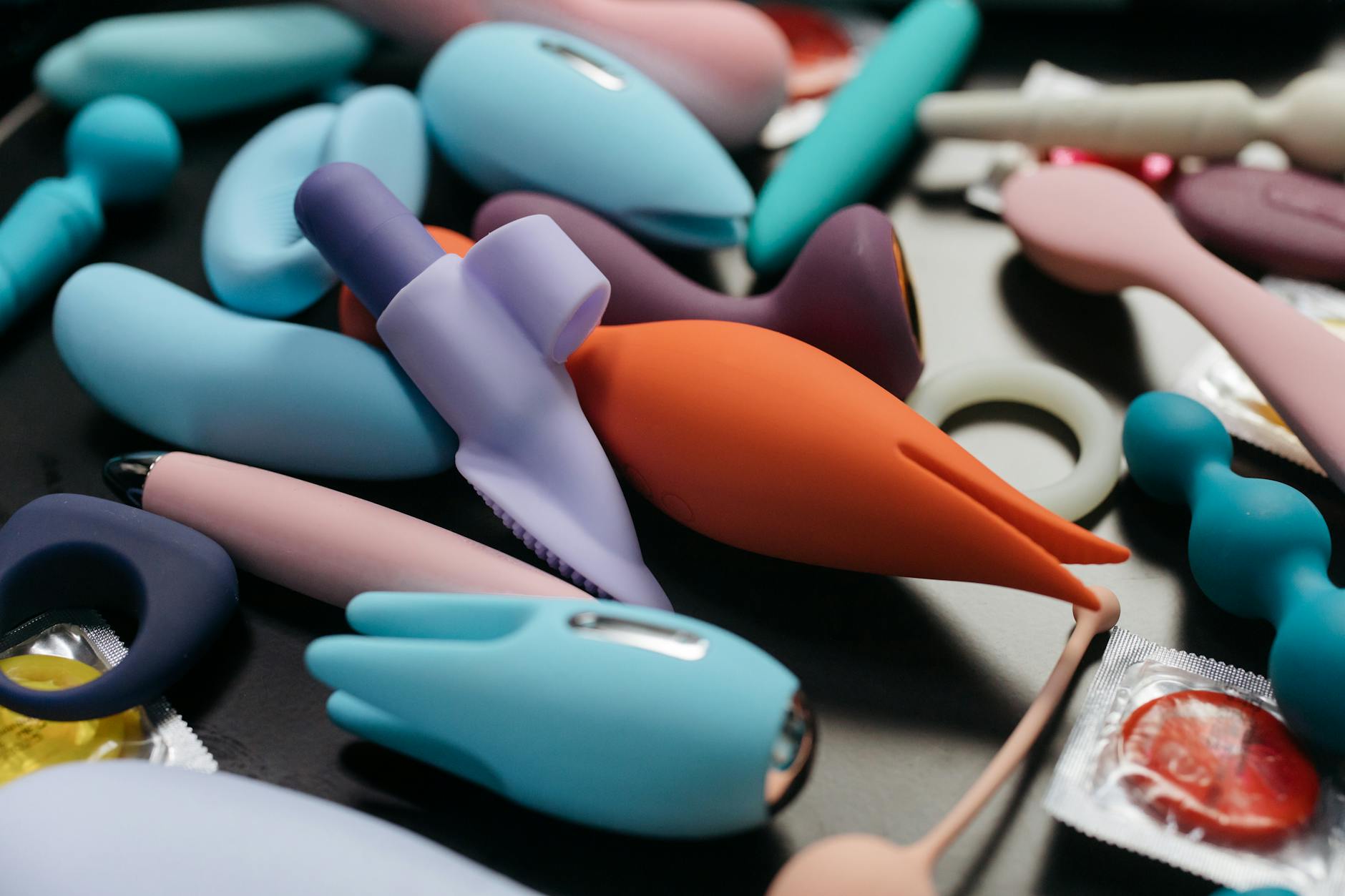
Introducing a tool like a lemon clitoral vibrator into this space doesn't fix the relationship. But it does something subtly powerful: it shifts the focus from performance and proof ("Does this mean you still want me?") to sensation and safety.
Why lemon vibrators work specifically in this context
A lemon vibrator or lemon sucker requires intention. It's not something you grab in the dark. It says, "I'm choosing this moment. I'm showing up."
For the partner who was betrayed, a lemon vibrator offers control. You decide when to use it, how intense the sensation is, whether your partner is involved or you're solo. Control is what infidelity took from you. Control is what you need to rebuild trust.
For the partner who was unfaithful, watching you take pleasure seriously, with purpose, can be clarifying. It moves the dynamic away from "I'm sorry, please forgive me by having sex with me" to "You deserve pleasure, and I get to witness it because you're choosing to share it."
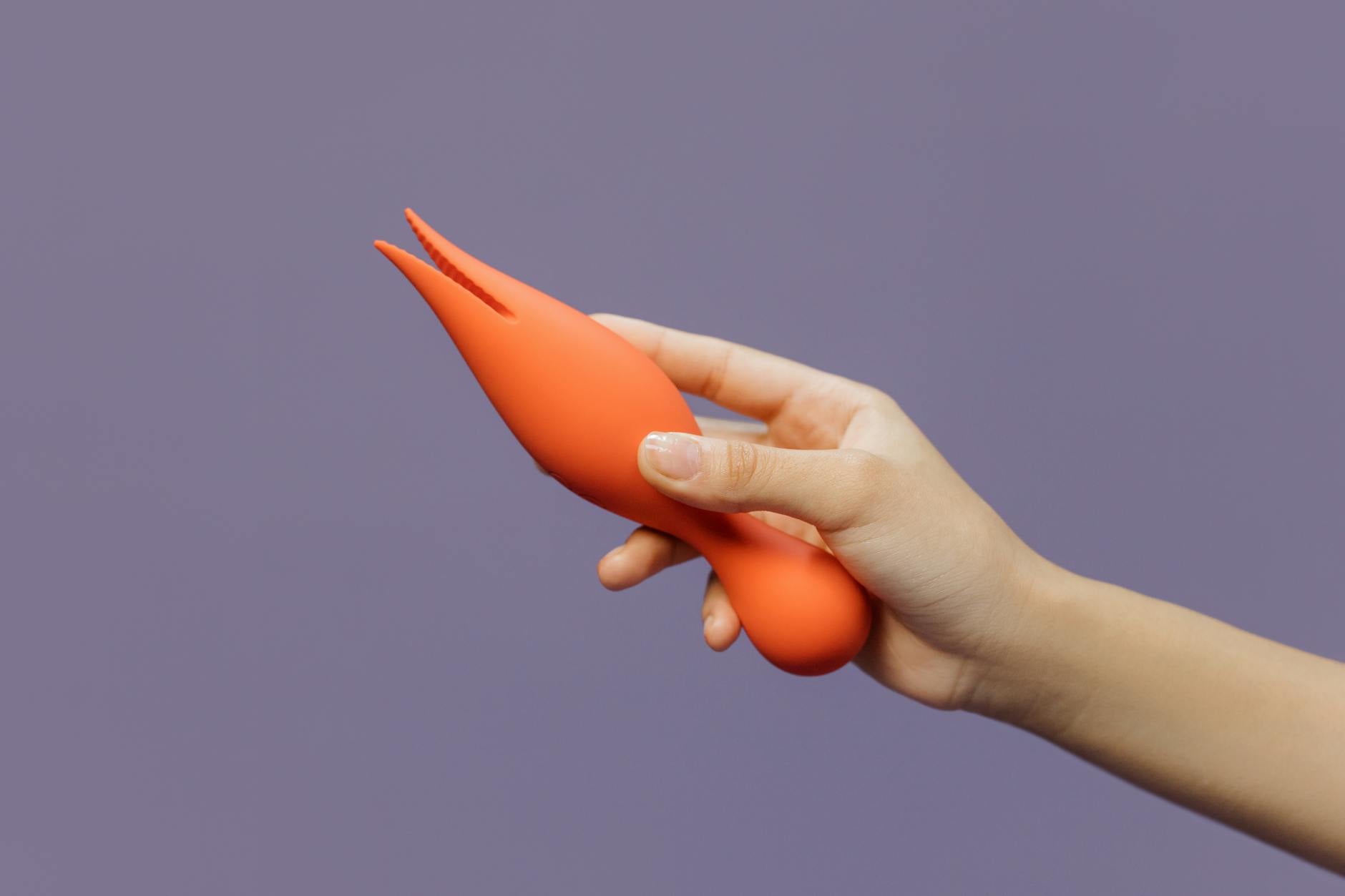
Photo by cottonbro studio on Pexels
The five-step framework for couples rebuilding trust
1. Start separately, not together. Before you use a lemon vibrator with your partner, use one alone. Multiple times. This isn't foreplay. It's reclamation. You need to know what pleasure feels like when there's no one else's needs in the room. This grounds you. It reminds your body that good sensation is yours to claim, independent of what happened.
2. Create explicit permission. The worst thing you can do is surprise your partner with a vibrator, thinking it'll be "hot." Instead, have the conversation outside the bedroom. "I want to try a lemon vibrator when we're together. Here's why. Here's what that looks like to me. What questions do you have?" Specificity kills ambiguity. Ambiguity kills safety.
3. Agree on a pause word. Not a safeword (though that's fine too). A pause word signals, "I need a moment, not because something's wrong, but because I'm feeling a lot." After infidelity, feeling a lot during sex is normal. You might feel pleasure, grief, anger, and tenderness in the same minute. A pause word means you can stay in the experience without staying in the overwhelm.
4. Lead with sensation, not narrative. The temptation is to narrate what you're doing: "I'm using this because I trust you again" or "I'm doing this to prove I still want you." Don't. Let the sensation speak. Let silence exist. The lemon vibrator is working at a neurological level that doesn't need words. Your brain is getting the message: "This is safe. This feels good. This person is here, and I'm choosing this."
5. Debrief after, not during. Wait. Have tea. Take a walk. Then, separately or together, notice what came up. Not to analyze. To witness. "I felt safe for the first time in months" is data. "I got scared when you touched my shoulder" is data. Collect data without judgment.
What to expect emotionally
You might cry. Your partner might feel distant afterward even though you were together. One of you might need it to happen three times before the nervous system believes it's genuine.
The first time you use a lemon clitoral vibrator together after infidelity, you might feel absolutely nothing. That's not failure. That's your body being smart. It's protecting you while it gathers evidence that this is actually safe.
You might also experience a grief wave: the pleasure feels good, and suddenly you're sad that you had to lose trust to get here. Both things are true. The pleasure is real, and the sadness is real. That's not a sign something went wrong. That's the nervous system processing.
How to talk about it afterward
Don't ask "Did you enjoy that?" or "Does this mean you forgive me?" Ask instead: "What did you notice in your body?" or "What surprised you?" These questions keep the focus on sensation and presence, not on whether the experience "fixed" the relationship.
If you're the unfaithful partner watching your partner use a lemon vibrator, you might feel protective, excluded, or deeply moved. All of these are okay. Don't jump to sex to resolve the feeling. Sit with it. Let your partner's pleasure be something you witness, not something you immediately reciprocate.
Rebulding intimacy after infidelity doesn't follow a timeline. It takes as long as it takes. Some couples reconnect in months. Some take years, and that's not a failure. What matters is that you show up consciously, you choose each other repeatedly, and you use tools like lemon vibrators not as bandages but as instruments of intentional reconnection.
People also ask
How long after infidelity should we wait before trying to be intimate again?
There's no universal timeline. Some couples need weeks. Some need months. The question to ask isn't "How long should we wait?" but "Is my nervous system ready to be vulnerable with this person again?" If the answer is no, waiting longer is the right choice. If you force intimacy before you're ready, you'll associate sex with anxiety, and that bond takes much longer to repair. When you feel a genuine opening—not a sense of obligation—that's when you know you're ready.
Can using a lemon vibrator together actually rebuild trust?
A vibrator can't rebuild trust alone, but it can create a container where trust becomes possible. By focusing on sensation and mutual choice, you sidestep the performative aspects of sex that often mask deeper disconnection. You're practicing vulnerability in a structured, controllable way. That practice does build trust over time. What it requires is honesty about what's actually happening emotionally while you're together.
What if I feel weird watching my partner use a vibrator after I was unfaithful?
That feeling is information. It might be guilt, it might be shame, it might be genuine concern for your partner. Name it. Tell your partner: "I'm noticing I feel protective right now. I need a moment to understand what that's about." You don't have to act on every feeling, but you do have to acknowledge it. Ignoring it teaches your partner that you're not trustworthy with your own emotions, which doesn't help rebuild anything.
Is it weird to introduce a lemon sucker specifically instead of a regular vibrator?
Not at all. In fact, there are specific reasons lemon vibrators work well for this: they're intentional (you actively choose to use them), they offer precise sensation control, and they're often visually distinct enough that they feel like a fresh start rather than a continuation of old patterns. The newness itself is part of the healing. You're not accessing the same nervous system memories you have with other toys or techniques.
What if I'm still angry and sex feels impossible?
Then sex is impossible, and that's fine. Anger is a valid stage of recovery. If you force sex before processing anger, you're just adding resentment into the nervous system. Work with a therapist first. When anger shifts—not disappears, shifts—into something you can be in the same room with, then consider reconnection.
How do I know if we're actually healing or just going through the motions?
Real healing involves moments where you genuinely forget, for a few seconds, that the affair happened. Then you remember, and it stings, but it's less sharp. You laugh together about something unrelated and realize you can still find each other funny. You can be with your partner and feel mostly safe most of the time. That's not closure. That's integration. You're building a new relationship on top of the rubble of the old one. It looks different, but it's real.
The path forward
Infidelity is a rupture. But ruptures, when they're repaired with intention and honesty, can become the strongest part of a structure. I've worked with couples who say their sex life after rebuilding trust is more connected than it ever was before.
That doesn't mean you should be grateful for the affair. It means you can choose, every time you touch each other, to show up differently. A lemon vibrator won't do that for you. But it can be a tool that helps you practice showing up consciously, together, in a body that has been hurt and is learning to feel safe again.
If you're navigating this now, know that it's possible. It's hard, and it's possible. If you're stuck, reach out to a therapist who specializes in infidelity recovery. Your nervous system needs professional support alongside whatever tools you choose.
You deserve connection. Both of you do. Getting there takes honesty, time, and willingness to be awkward and vulnerable together. Everything else is just technology.