
Cancer treatment touches everything, including pleasure
Let's start here: cancer treatment is brutal on the body, and that brutality doesn't stop at survival. Chemotherapy damages nerve endings. Radiation thickens and stiffens tissue. Surgery removes sensation entirely in some areas. Hormone therapy flattens desire. The result is that many people emerge from treatment feeling disconnected from their own body in ways that feel permanent.
But here's what matters: it isn't. Sensation can return. Pleasure can rebuild. And tools like the Lemon clitoral vibrator can accelerate that process in ways that feel safer, gentler, and far more forgiving than going it alone.
I work with cancer survivors regularly, and the pattern is always the same. People expect their bodies to bounce back overnight. When they don't, shame creeps in. That's when tools matter most.
What cancer treatment actually does to sensation
Three main pathways get disrupted.
Chemotherapy. Neuropathy is common—that burning, tingling, or complete numbness in the hands and feet. But it extends to everywhere. The clitoris loses sensitivity. Nerve endings that trigger arousal and orgasm take months or even years to regenerate. Some sensation returns on its own timeline; some needs deliberate, gentle stimulation to wake back up.
Radiation. This one's trickier. Radiation therapy to the pelvic area causes fibrosis, which is scarring and stiffening of tissue. The vaginal walls become less elastic. Blood flow decreases. The tissue that should be responsive becomes rigid and painful. Add in the fact that many people experience anxiety about touching the treated area at all, and you've got a compounding problem.
Surgery and hormone therapy. Removing ovaries or suppressing estrogen drops lubrication and thins tissue. It's the same dynamic as menopause, but often more severe and faster. Add in the emotional weight of losing body parts, and desire can simply vanish.
The brain knows all this is real. The nervous system stays on high alert. Touch that should feel good triggers fear instead.
Why lemon vibrators work differently during recovery
I recommend the Lemon clitoral vibrator to survivors for three specific reasons.
First, the suction mechanism is gentler on hypersensitive or damaged nerve endings. Unlike vibration, which can feel like sandpaper on raw nerves, the Lemon's suction creates a softer, more diffuse stimulation. It doesn't pound. It doesn't buzz aggressively. It draws sensation out from damaged tissue without triggering defensive pain.
Second, the Lemon gives you control at the lowest threshold. You can start at pattern 1, barely-there suction, and spend weeks there. Your nervous system gets to decide when to turn up. That's radical autonomy after months of treatment where your body wasn't yours at all.
Third, using a tool that's external and separate from your body helps psychologically. After surgery or radiation, your body feels like the enemy. Many survivors have told me that using a device helps rebuild the connection because it creates distance. You're not fighting yourself. You're using something to help yourself heal. That frame matters.
How to start rebuilding sensation safely
Let's talk timeline. Sensation doesn't return on a schedule. Some people feel significant improvement within weeks. Others need months. The goal is not to force it; it's to create conditions where it can return naturally.
Week 1-2: observation without pressure. Use the Lemon on the lowest setting with no expectation of arousal or orgasm. Twenty minutes, three times a week. The goal is literally just to tell your nervous system, "This is safe touch." Your body is learning that stimulation doesn't mean pain.
Week 3-6: pattern variation. Once the lowest pattern stops triggering a defensive response, try moving through the settings. Spend five minutes on pattern 1, then move to pattern 2 for five. Don't push. If anything tingles sharply or feels painful, step back immediately.
Week 7+: integration and play. Now that sensation has started returning, you can experiment. Some survivors find that using the Lemon during a bath feels softer on their nervous system. Others need their partner in the room for safety. Some need complete solitude. None of those is wrong.
The emotional piece nobody talks about
Here's the part they don't mention in cancer recovery guides: rebuilding pleasure after treatment is as much about emotional recovery as physical.
Many survivors carry profound shame about their bodies. If you had breast cancer and had reconstruction, you might feel like the reconstructed tissue isn't yours. If you had pelvic surgery, the area might feel altered in ways that feel impossible to reconcile. If you spent chemotherapy sessions watching your body betray you, desire can feel like a betrayal of your own boundaries.
Using the Lemon in this context is more than physical stimulation. It's an act of reclamation. You're saying, out loud to your own body, "You're worth pleasure again. You deserve this."
I recommend pairing the physical practice with a simple mental frame. When you're using the Lemon, notice what you notice without judgment. Numbness is information. Tingling is information. Sudden grief about what treatment took is information. Don't try to feel good. Just feel.
When sensation doesn't come back on its own
If you're three or four months into gentle exploration and sensation still isn't returning, see a specialist. Some people need physical therapy focused on desensitization. Others need a gynecologist trained in cancer survivorship to assess the tissue itself. A few need topical hormone cream to rebuild elasticity in radiated areas.
The point: sensation after cancer treatment isn't a personal failing. It's a medical reality, and there are medical tools alongside the Lemon that can help.
Also know that desire might take longer than sensation. Many survivors report that their bodies started responding again before their brains caught up. That gap between physical response and emotional openness can last months. That's okay. You're rebuilding two separate systems.
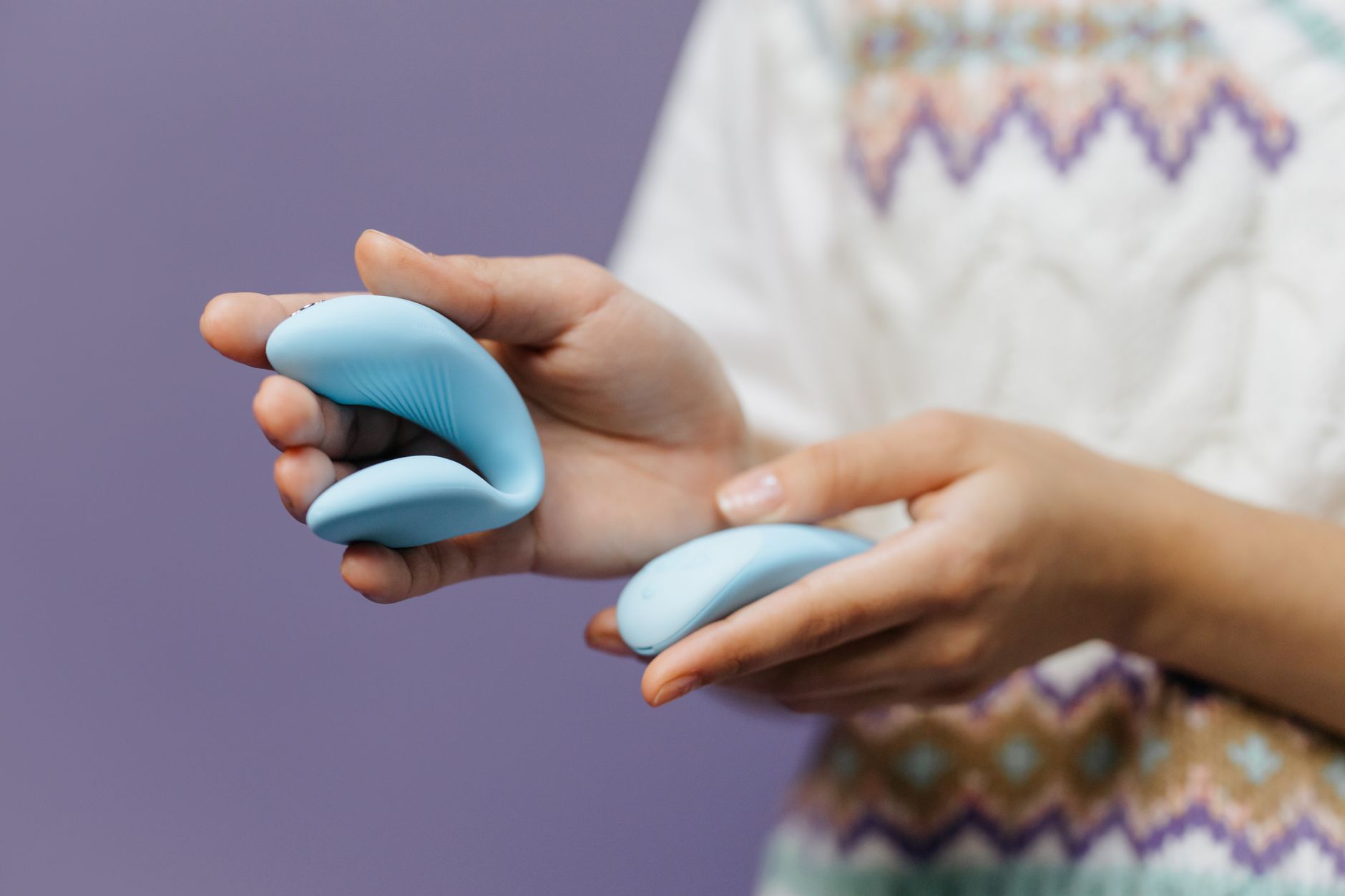
Photo by cottonbro studio on Pexels
Partners and pleasure during recovery
If you have a partner, this is worth saying plainly: their role is not to fix you. It's to support your own rebuilding. Some survivors feel enormous pressure to perform pleasure for their partner as proof that treatment didn't damage the relationship. That pressure is the poison.
The healthiest dynamic I see is when partners understand that using the Lemon or any tool isn't a rejection of them. It's a tool for reclamation. You might use it alone. You might use it together. Those are different practices serving different needs, and both are valid.
If your partner struggles with this, that's worth naming directly. "My pleasure is my own right now, and I need to rebuild it on my timeline" is a complete sentence.
The nervous system retraining underneath all of this
What's actually happening when you use a lemon clitoral vibrator during recovery is deeper than sensation rebuilding. You're retraining your nervous system to recognize touch as safe, pleasure as possible, and your body as worth exploring again.
This is why gentleness matters so much. Aggressive stimulation, even if it feels good, can retrigger the nervous system's memory of pain. Slow, consistent, gentle pressure teaches your body something different: that touch can be safe, that sensation can be pleasurable, that you can trust your own response again.
This isn't woo. This is neurobiology. Your vagus nerve is learning a new pattern.
What a realistic recovery timeline looks like
Honestly though? Some sensation returns in weeks. Some takes two years. Some might never fully return to pre-cancer baseline, and that's information too. Your job isn't to return to who you were. It's to meet who you are now and find pleasure in that new configuration.
I've had clients report the deepest, most embodied orgasms of their lives in post-cancer recovery. They had to rebuild so slowly and mindfully that when sensation returned, they actually felt it. No rushing. No performance. Just presence.
That's the gift, if you can get there. And the Lemon helps. But patience with yourself is what makes it work.
People also ask
Is it normal to feel pain when using a clitoral vibrator after cancer treatment?
Yes, especially early in recovery. Sharp or burning pain means your nervous system is still defensive. That's information to step back. Mild tingling or sensitivity is actually normal and often a sign sensation is starting to return. The distinction matters. If pain persists beyond the first few months of gentle use, see a pelvic floor physical therapist or gynecologist trained in cancer survivorship. Some post-radiation tissue damage needs specialized treatment.
How long does sensation take to come back after chemotherapy?
Chemotherapy-induced peripheral neuropathy is unpredictable. Some people regain full sensation within months. Others see gradual improvement over a year or more. Some sensation may never fully return. What helps: consistent, gentle stimulation using something like the Lemon clitoral vibrator, which teaches your nervous system that touch is safe without aggressive pressure. Patience is more important than speed.
Can I use a lemon vibrator if I've had radiation to my pelvis?
Yes, but with modifications. Radiated tissue is more fragile and sensitive, so start at the lowest setting and stay there longer before progressing. Some people need topical estrogen cream first to restore tissue elasticity. Talk to your oncologist or a gynecologist trained in cancer survivorship about your specific situation. They can tell you if any tissue restrictions apply.
What if my partner wants intimacy but I don't feel ready?
That's a boundary worth holding firmly. Rebuilding pleasure after cancer is about your nervous system feeling safe, not about meeting your partner's timeline. If they're pushing, that's a couples conversation worth having with a therapist. Your pleasure is not their entitlement. Supporting your recovery is.
Should I tell my doctor I'm using a vibrator during cancer recovery?
Yes. Oncologists and gynecologists need to know what you're doing physically so they can spot any complications. A good doctor will support you. If yours doesn't, find one who does. Some cancer survivorship programs specifically recommend vibrator use as part of pelvic floor rehabilitation.
Is it shame if I need a tool to feel pleasure again?
No. Needing a tool means your nervous system needs help relearning safety. That's not weakness. That's wisdom. Your body survived something brutal. Using something designed to help you reconnect with pleasure is exactly the right move.
You get to rebuild this on your own terms
Cancer treatment takes so much. But pleasure can come back. Sensation can return. Your body isn't permanently broken. It's just recalibrating, and tools like lemon clitoral vibrators exist to help you through that recalibration gently.
Start slow. Be patient with yourself. And remember: you don't need to earn back your pleasure. You just need to be willing to meet your body where it is now and rebuild from there.
If you're navigating this journey, we're here. Not to promise everything will feel the way it did before. But to help you discover what pleasure feels like in your new normal. And honestly, that version is often richer than the one you started with.