
When desire isn't equal, it feels like a problem
One of you wants sex three times a week. The other wants it once. Or maybe it's the opposite. You're attracted to each other, there's no infidelity, no major conflict. But one person is regularly having to decline, or the other is regularly feeling rejected. Over time, this becomes a wedge. The person with lower desire feels pressured. The person with higher desire feels unwanted. Both feel lonely.
This mismatch is wildly common. Studies suggest between 30 and 50 percent of couples experience it at some point, and yet almost nobody talks about it clearly. We pretend it's a problem to solve together (it's not always) or a sign of incompatibility (it rarely is). The truth is quieter and harder: desire is individual, it changes, and sometimes it just doesn't sync up with another person's rhythm.
Lemon vibrators can't fix that mismatch. But they can change how you navigate it.
The real source of tension
Here's what I see in my practice: the actual problem isn't the difference in desire frequency. It's the shame and obligation that builds around it. The higher-desire partner worries they're "too much." The lower-desire partner feels guilt, then resentment, then avoidance. Sex becomes something to manage rather than something to enjoy. Eventually, both people feel disconnected.
When you introduce a clitoral vibrator into the picture, you're not adding another body into the bed. You're separating physical pleasure from the negotiation of partnership. This sounds clinical, but it's liberating.
Let me explain the shape of this practically.
Why individual pleasure changes the dynamic
The lower-desire partner in the equation often has two fears: first, that they're defective. Second, that their partner will leave or cheat. So they perform arousal they don't feel, which is exhausting and kills authentic desire even further. It becomes a downward spiral.
The higher-desire partner, meanwhile, is holding both their own unmet need and a sense of responsibility for managing their partner's comfort. This is a lot of emotional labor to carry into the bedroom.
When the lower-desire partner has access to lemon vibrators, something shifts. They can experience pleasure independently, on their own schedule. This removes the pressure. And here's the counterintuitive part: removing the pressure often restores genuine desire. Not always immediately, and not always to match their partner's frequency. But the authenticity returns.
For the higher-desire partner, using a vibrator isn't about resignation. It's about honoring their own body's needs without weaponizing their partner's. It sounds simple. In practice, it's revolutionary.
How to talk about this without shame
The conversation matters more than the vibrator. Before you introduce a lemon clitoral vibrator into your routine, you need to establish that this is about separate pleasure, not rejection.
Start small. Say something like: "I've been feeling like we're negotiating sex instead of enjoying it, and that's not what I want for us. I want to find a way that works for both our bodies." That's the truth. Then: "I'm thinking about using a vibrator for my own pleasure. Not instead of partnered sex, but alongside it. So my body gets what it needs, and the pressure comes off you."
The lower-desire partner might worry this means their partner doesn't want them anymore. Preempt that. "This isn't because I don't want you. It's because I want both of us to feel good, without guilt."
If your partner is resistant, ask why. Often it's about insecurity, or a misunderstanding about what you're doing. Listen. Then clarify. A lemon vibrator isn't an affair. It's not a replacement. It's a tool that lets both of you have pleasure without the constant negotiation.
The practical shape of using lemon vibrators in mismatched desire
Let's say you're the higher-desire partner. You might use a clitoral vibrator on mornings or evenings when your partner isn't interested in sex, but you want physical release. This isn't a secret. It's just regular. You might do it in the shower, or in bed while reading. The lower-desire partner isn't obligated to participate, but they're also not pretending they don't know it's happening. It's acknowledged and normalized.
Alternatively, you might incorporate the vibrator into partnered sex when you do have it. Maybe your partner loves being touched elsewhere while you use the lemon vibrator on yourself. This keeps you connected, but your pleasure isn't dependent on their arousal timing. You're not waiting for them to get to the finish line. You're both moving at your own pace.
How Lemon Vibrators Help When You Have Low Libido But Your Partner Doesn't covers more of this territory if you want deeper strategies.
If you're the lower-desire partner, lemon vibrators can help you understand what your body actually wants, separate from external pressure. Sometimes low desire is about medication, hormones, or stress. Sometimes it's about the quality of touch or timing. Using a vibrator solo helps you distinguish between "I don't want sex" and "I don't want sex right now, in this way, with this energy." That distinction matters. It helps you show up more authentically when you do want partnered sex.
What changes when both people have permission
Once the higher-desire partner stops anchoring their self-worth to their partner's arousal, something releases. They're not chasing. The lower-desire partner stops feeling hunted. They can relax. And from relaxation, sometimes genuine desire emerges.
I've watched couples move from monthly sex (with resentment underneath) to weekly sex (with real enjoyment) just by introducing this permission structure. The frequency didn't matter. The authenticity did.
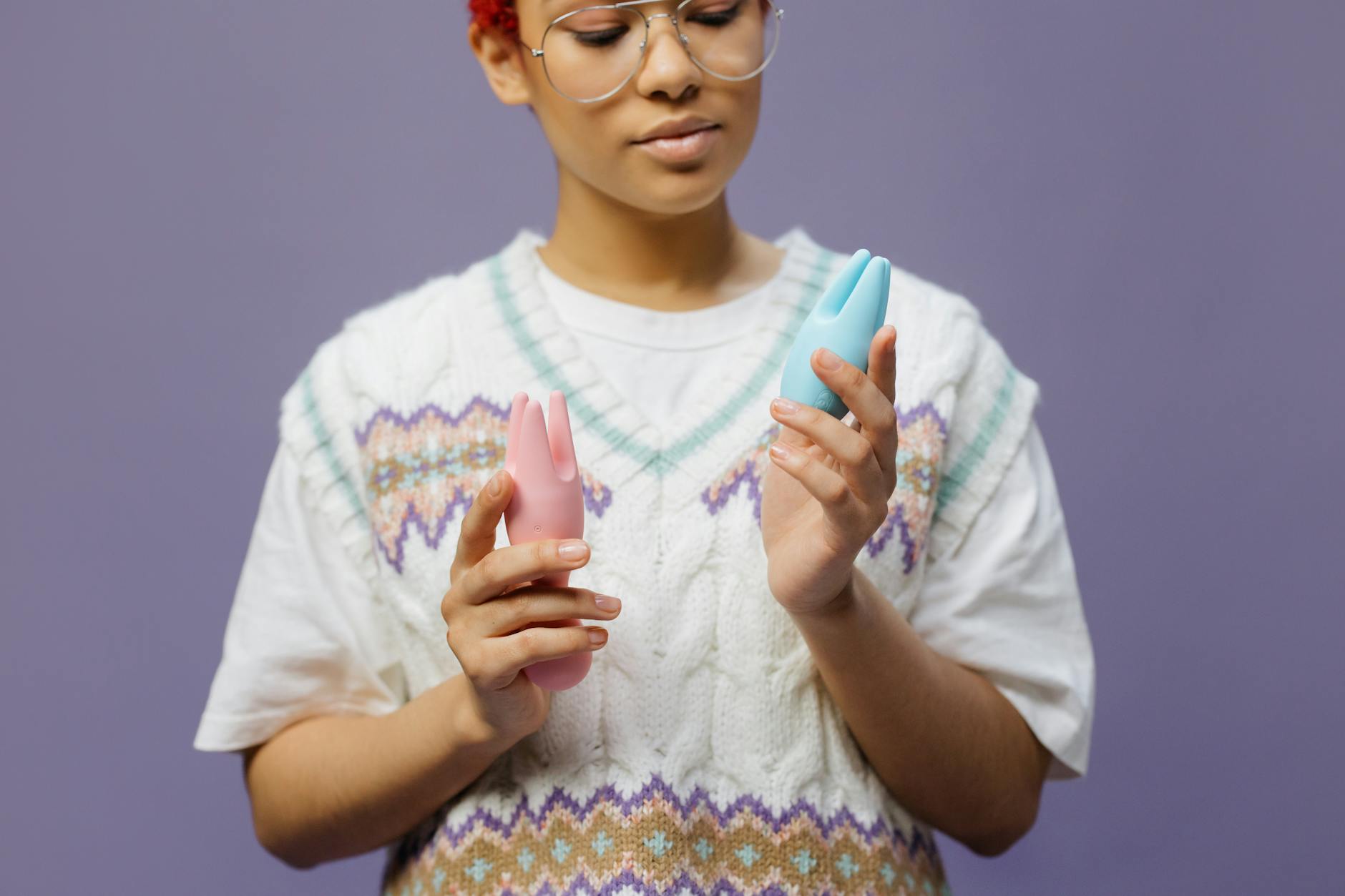
Photo by cottonbro studio on Pexels
The other thing that changes: you stop using sex as the only currency of intimacy. Suddenly you're not keeping score of who wanted what and who compromised. Your lower-desire partner can be physically affectionate without it escalating to sex. You can have dinner and touch and pleasure without obligation. This is the texture that makes long-term relationships sustainable.
The emotional architecture beneath desire mismatch
One more thing that's worth saying: sometimes desire mismatch is a symptom of something deeper. Unresolved conflict. Resentment about household labor or childcare. One partner feeling unseen in other areas of the relationship. A clitoral vibrator won't fix those things. If that's your situation, you need couples therapy, not a toy.
But if the mismatch is about frequency, or timing, or just the simple fact that your bodies have different needs? Then yes. A lemon vibrator is part of the solution. It's permission. It's self-knowledge. It's honoring the fact that you and your partner are separate people with separate bodies.
When to reach out for support
If the desire mismatch is causing regular conflict, anger, or avoidance that doesn't soften with time and conversation, talk to a therapist. Ideally a couples therapist or someone trained in sex-positive relationship work. This isn't a referendum on your relationship. It's just responsible maintenance.
If you're the lower-desire partner and you genuinely feel no arousal, ever, in any context, that's also worth exploring with a healthcare provider. Hormones, medications, trauma, and depression all affect desire in real ways.
But if you're just two people with different appetites trying to stay connected? You're not broken. You're normal. And a lemon vibrator is just a practical tool for a common problem.
Frequently asked questions
How do I bring up using a vibrator without my partner thinking I'm not satisfied?
Start with the truth: "I've been noticing we're getting frustrated with each other around timing, and I want to fix that." Then be direct: "I want to use a vibrator sometimes, not instead of us, but alongside. So we can both feel good without pressure." If your partner is worried you're unsatisfied with them, ask them directly what they're afraid of. Listen. Reassure. Then use the vibrator anyway. Actions change minds more than words do.
If my partner uses a vibrator, does that mean they don't want me anymore?
No. It means they want pleasure, and they're not waiting for you to provide it on demand. This is healthy. It's the opposite of codependency. If you're worried about this, examine what's underneath. Are you afraid of abandonment? Of not being enough? Those are real fears worth addressing, but the solution isn't preventing your partner from enjoying their own body.
Can using a lemon vibrator help me figure out if I actually want sex?
Yes. Use it solo, without pressure to "perform" arousal or reach a specific outcome. Notice what you feel. Does your body wake up? Does pleasure build? Do you enjoy it? This tells you something true about your desire. Sometimes people discover they actually enjoy being touched differently than their partner touches them. Sometimes they realize they need more foreplay, or less. The vibrator is information.
Should we use lemon vibrators during partnered sex or separately?
Both can work. Some couples find that using a vibrator during partnered sex helps them sync up (the lower-desire partner gets what they need, the higher-desire partner feels desired). Others find that personal vibrator use is separate, and partnered sex is its own thing. There's no single right answer. Talk about what feels good to both of you.
What if my partner thinks I'm being selfish by prioritizing my own pleasure?
That's a red flag worth addressing directly. A partner who frames your self-care as selfishness is doing something controlling, even if unintentionally. You're allowed to want pleasure. You're allowed to meet your own needs. In a healthy partnership, your partner's pleasure matters as much as yours, not more. If this dynamic persists after conversation, couples therapy is worth considering.
How often should we be having partnered sex if our desire is mismatched?
As often as both people genuinely want it. Not compromise frequency. Not obligation. If you're having sex once a week and both people are satisfied, that's enough. If you're having it three times a week and one person is faking, that's not enough. The number doesn't matter. The authenticity does.