Let's name what's actually happening
Clitoral numbness feels like your body has ghosted you. You touch yourself and feel... almost nothing. A vibrator that used to send fireworks now feels like someone running a pen over your arm. It's not in your head, and it's not permanent. It's a real physiological shift, and it's more common than you'd think.
Here's what matters: numbness is fixable. Lemon vibrators are specifically helpful because they work differently than other toys, and I'll show you exactly why.
Why your clitoris loses sensation (and it's almost never your fault)
Clitoral numbness has several roots, and understanding which one applies to you changes how you treat it.
Overuse desensitization. This is the most common culprit. If you've been using the same vibration pattern at the same intensity for years, your nerve endings adapt. They stop firing at that stimulus level because it's become background noise. Think of it like listening to a song on repeat. After two hundred plays, you literally stop hearing it.
Nerve compression or injury. Tight pelvic floor muscles can pinch the pudendal nerve, which supplies sensation to the clitoris. This often shows up after intense workouts, prolonged sitting, or even from wearing tight clothing regularly. The nerve isn't damaged, but it's being squeezed.
Hormonal shifts. Estrogen, progesterone, and testosterone all influence clitoral sensitivity. When any of these drop, tissues thin and nerve response flattens. This happens during perimenopause, after stopping birth control, or with certain medications.
Medications. Antidepressants, antihistamines, blood pressure meds, and some hormonal contraceptives are notorious for muting sensation. The numbness isn't a side effect of the drug itself but of how it alters blood flow and neurological signaling.
Vascular issues. Poor circulation means less oxygen reaching the tissues. Smoking, sedentary living, or cardiovascular conditions can all reduce blood flow to the pelvic area, which dampens sensation over time.
Why lemon vibrators work when numbness is the problem
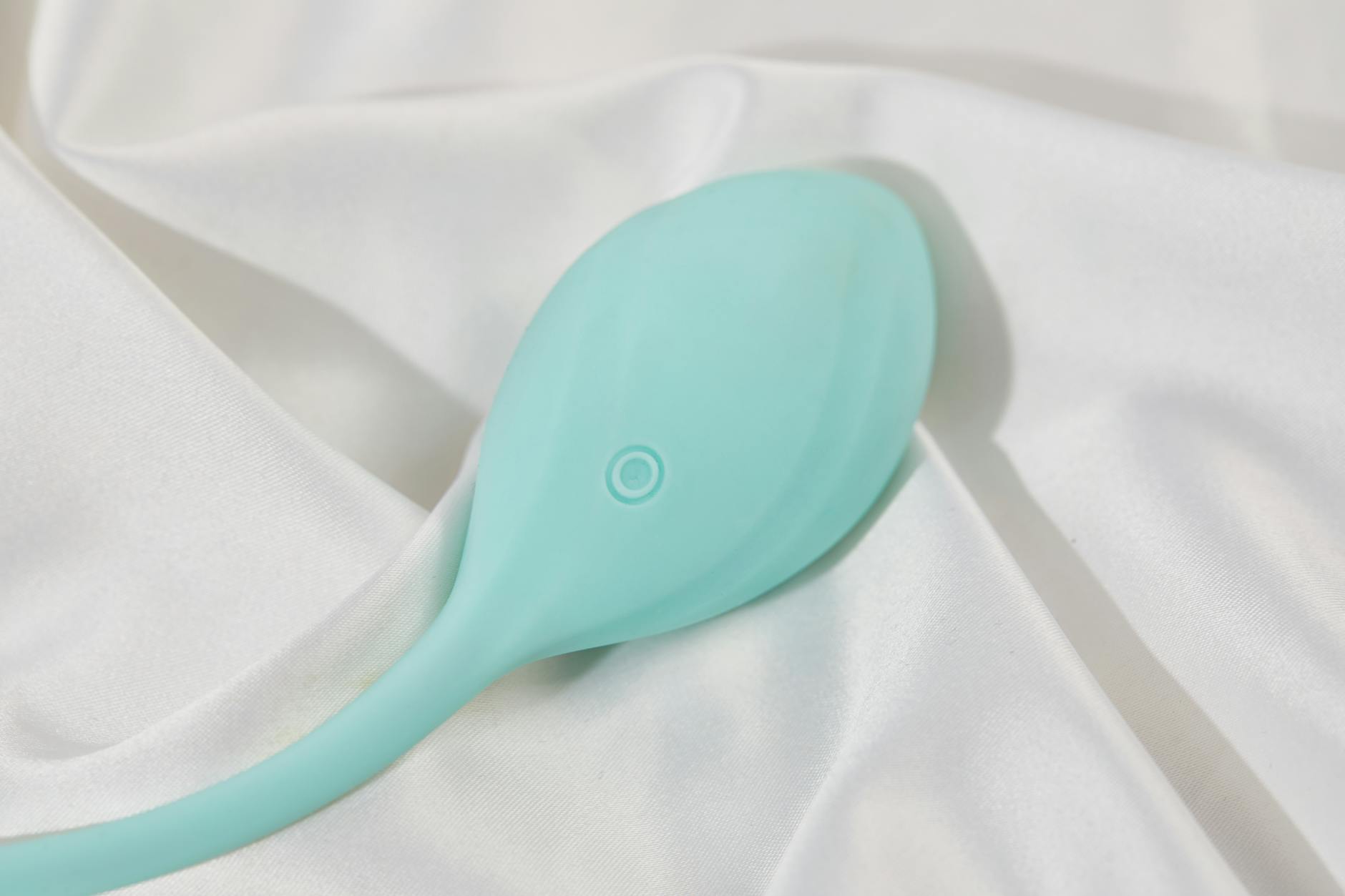
Most vibrators buzz in a single frequency. The Lem and other quality lemon clitoral vibrators use air-pulse suction technology instead. This is the key difference.
Suction creates rhythmic pressure changes rather than vibration. It stimulates deeper nerve endings, not just the surface. For someone with numbness, this matters enormously because those deeper nerves are often still responsive even when surface sensation has dulled.
The suction pattern also naturally creates variation. You feel pressure, then release, then pressure again. Your nervous system doesn't habituate to that the way it does with constant buzzing. It stays engaged.
Another advantage: suction doesn't require direct friction. If your clitoris is sensitive or if tight pelvic floor muscles have made touch painful, suction feels gentler while still delivering powerful stimulation.
The rebuild protocol (step by step)
If you're starting with numbness, jumping straight to high intensity won't work. You'll feel frustrated and think the toy isn't for you. The rebuild needs structure.
Week one: sensation mapping. Use your lemon vibrator on the lowest setting (pattern 1 or 2) for five to ten minutes, three times a week. Don't aim for orgasm. Just notice what you feel. Where's the sensation strongest? Does it change when you shift angle? You're teaching your nervous system to pay attention again. This week often feels like nothing is happening. That's normal. You're rewiring, not climaxing.
Week two: slow escalation. Stay with low patterns but extend sessions to fifteen minutes. You might feel sensation starting to wake up. You might not. Either way, keep going. Add a second type of stimulation if it feels right: a hand on your breast, your partner touching another part of your body. Sensation is a full-body event, not an isolated switch.
Week three: pattern switching. Start introducing variety. Use pattern 1 for three minutes, then pattern 2 for three minutes, then pattern 3. The switching keeps your nervous system from adapting. This is where most people notice the first real shift in responsiveness.
Week four and beyond: customization. By now you should know which patterns feel most awakening. You might find that pattern 2 at a specific angle is your entry point. Build from there. Some people stay with lower patterns and longer sessions. Others escalate intensity. There's no right endpoint, only what works for your body.
The positions and angles that matter
Clitoral sensation isn't uniform. The head of the clitoris (the glans) is the most sensitive part, but the shaft and the whole vulval region have nerves too.
If you're feeling numb at the head, try positioning the suction cup slightly off-center, toward the left or right side of your clitoris. This often wakes up sensation that direct pressure doesn't reach.
Some people find that angle matters more than intensity. A slight tilt can be the difference between feeling nothing and feeling everything.
If you've been using the toy lying down, try sitting upright or on your knees. Gravity and pelvic floor engagement change how sensation registers. Different positions activate different nerve pathways.
The pelvic floor piece (it's not optional)
Tight pelvic floor muscles are often both a cause and a symptom of numbness. Tension restricts blood flow and compresses nerves. But it also makes sensation feel muted because the tissue is braced against pleasure instead of open to it.
Before using your lemon vibrator, spend two minutes doing pelvic floor releases. Lie on your back, knees bent, and consciously relax the muscles between your anus and genitals. It should feel like letting tension melt away, not like clenching.
You can also do this while using the toy. If you notice yourself holding tension, pause and breathe into the pelvic floor. Inhale, then exhale and release. This deepens arousal and allows sensation to flow more freely.
How Lemon Vibrators Improve Sensation After Reducing Pelvic Floor Tension goes much deeper into this specific technique.
What else needs to happen (beyond the toy)
A lemon clitoral vibrator is a tool, not a cure. For numbness to truly resolve, you need to address the root cause.
If it's overuse desensitization, take a break from your old toy. Go two to four weeks without any vibration and let your nerve endings reset. This is harder than it sounds, but it works.
If it's nerve compression, investigate your daily habits. Are you sitting for eight hours straight? Do you wear tight waistbands regularly? Small changes compound. Even adding a twenty-minute walk daily improves pelvic circulation.
If it's hormonal, talk to a doctor about what's shifted. Sometimes topical estrogen cream can help. Sometimes it's about managing medication timing around your cycle. Sometimes it's about accepting that sensation will be different now and adapting accordingly.
If it's medications, ask your prescriber about alternatives or timing adjustments. Don't stop anything on your own, but do mention the numbness. Doctors often have solutions they won't volunteer unless you ask.
How to know if it's working
Sensation doesn't always come roaring back. It creeps back. You notice you felt something you didn't feel last week. You reach orgasm from a pattern that didn't work before. You start craving the vibrator instead of feeling obligated to use it.
These are all wins.
If you're three weeks into the protocol and feeling absolutely nothing, it's worth checking in with a pelvic health physical therapist or a gynecologist who specializes in sexual health. Numbness can sometimes point to something that needs professional evaluation, like pudendal neuralgia or pelvic floor dysfunction.
But most of the time, patience and the right approach bring sensation back.
The emotional reset that matters
Clitoral numbness often comes with grief. You've lost something you relied on. Your body feels like it's betrayed you. That emotional weight is real and it blocks sensation further.
Give yourself permission to feel frustrated. Don't pretend it's fine if it's not. And when stress affects arousal, lemon vibrators still help, but you have to address the stress too.
If you're in a relationship, tell your partner what's happening. Not as a problem to fix together (unless you want that), but as information they deserve. Most partners respond with curiosity and support when they understand what's real.
Rebuild is not just about sensation. It's about trust. Trust that your body can feel again. Trust that numbness is a symptom, not a sentence.
FAQ: Numbness and sensation recovery
Can I use a lemon vibrator immediately if my clitoris is completely numb?
Yes, but on the lowest settings. Start with pattern 1 or 2, five to ten minutes at a time, a few times a week. Your goal the first week is awareness, not pleasure. You're teaching your nervous system to recognize sensation again, even if it feels like almost nothing.
How long does it usually take to regain sensation?
This varies. Overuse desensitization can improve in two to four weeks. Hormonal numbness might take longer. Nerve compression can shift within days once you address the compression. If it's been several months with no change, talk to a healthcare provider. Some types of numbness need professional intervention.
Can I still have an orgasm if my clitoris is numb?
Numbness doesn't always prevent orgasm, but it can make it harder to reach. Many people find that the air-pulse suction of a lemon vibrator works better than traditional vibration when sensation is muted. The key is patience and experimenting with angles and patterns instead of just increasing intensity.
What if one lemon vibrator doesn't work but another brand of vibrator does?
That's totally possible. Sensation varies. Some clitorises respond better to suction, some to vibration, some to a combination. If you're not feeling it with a lemon vibrator after a solid two weeks of consistent use, it's okay to try something else. There's no shame in that. Your body knows what it needs.
Is clitoral numbness permanent?
Almost never. Even nerve damage is often recoverable with physical therapy. Hormonal numbness shifts when hormones shift. Desensitization reverses with breaks and variation. Medication-related numbness often improves when you switch meds or adjust timing. Numbness is stubborn, but it's almost always reversible.
Should I tell my doctor about clitoral numbness?
Yes, especially if it came on suddenly or if it's been lasting more than a few months. Your doctor can rule out underlying conditions and might have suggestions specific to your situation. You don't need to be embarrassed. Clitoral sensation is a health issue, same as any other.
You're not broken
Clitoral numbness is frustrating and lonely, but it's not permanent and it's not your fault. Your body is responding to something. Once you understand what, you can address it. A lemon vibrator is a tool in that toolkit, not the only solution, but for many people dealing with desensitization, it's a genuinely powerful one.
Start low, be patient, adjust your approach based on what you feel, and give yourself time. Sensation comes back when you stop punishing yourself for losing it and start working with your body instead of against it.
If you're stuck or confused about what's causing your numbness, reach out. We're here to help you figure it out.