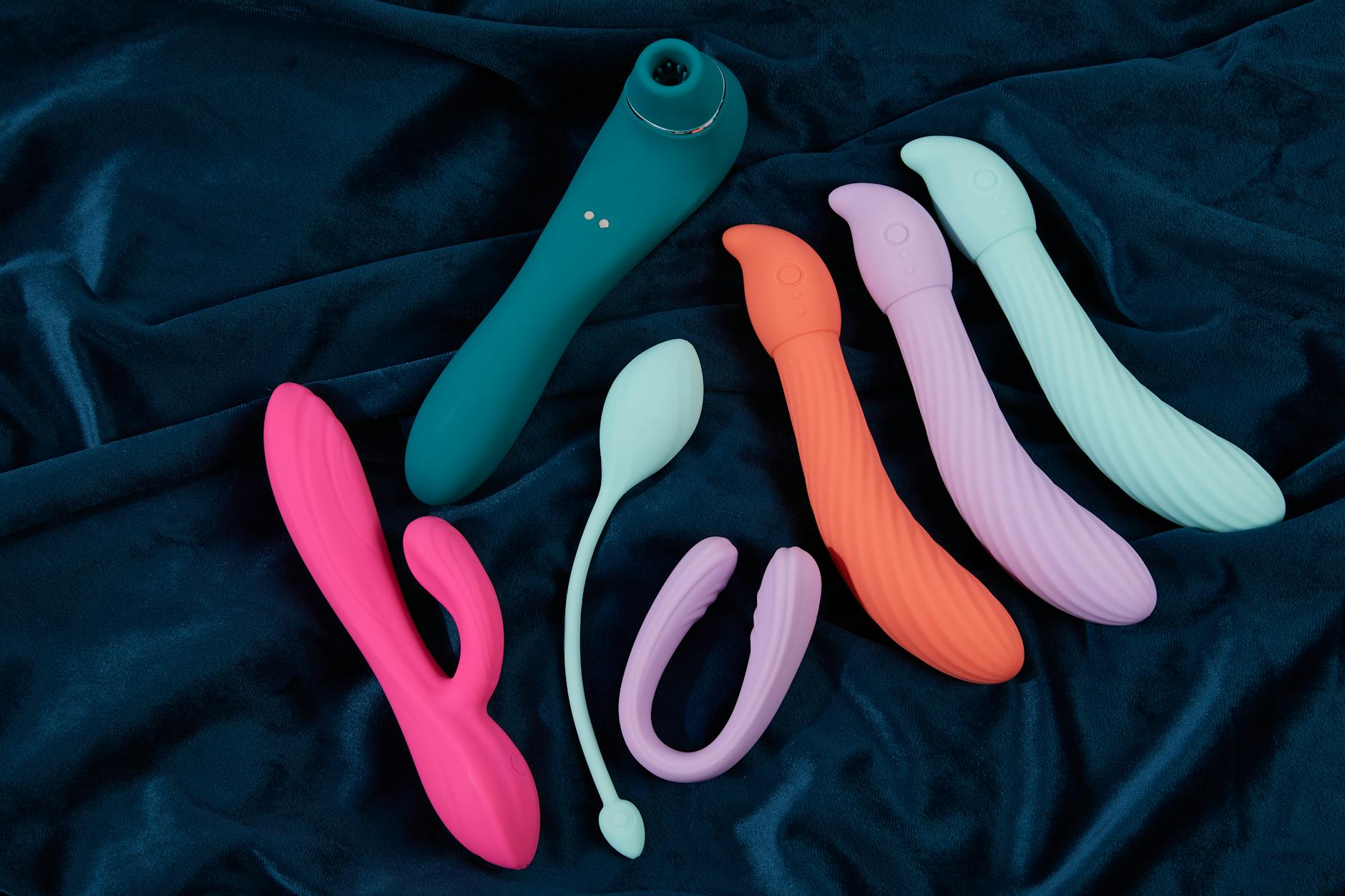
Here's what actually happens to your body after infection or inflammation
Let's be real. A UTI, yeast infection, bacterial vaginosis, or pelvic inflammatory condition changes everything temporarily. Not just down there. Your entire nervous system responds to inflammation by becoming protective. That protective response feels like reduced sensation, delayed arousal, tenderness during what normally feels good, or sometimes a complete flatline on desire.
The tricky part? This is not a sign that your lemon vibrators or any clitoral vibrator will stop working forever. It's a signal that your body is healing, and healing bodies have different needs.
What inflammation does to tissue sensitivity
Inflammation causes swelling. Swollen tissue is more sensitive to pressure, temperature, and vibration. That sounds like it should feel more intense, right? Wrong. What it actually means is that the normal amount of stimulation now feels too much. The nerve endings are already firing at higher baseline levels because they're responding to the inflammatory signals your immune system is sending.
Think of it like this. Your clitoris is a sensory powerhouse with roughly 8,000 nerve endings. During inflammation, those nerves are already somewhat activated by the inflammatory response. When you add a lemon vibrator's suction or vibration on top of that existing activity, the total signal becomes overwhelming instead of pleasurable.
Tissue that's inflamed is also often slightly more fragile. That doesn't mean you'll damage it by using a lemon sucker, but it does mean that what felt like a perfect intensity last week now feels like pressure instead of pleasure.
Why arousal takes longer during recovery
Arousal is not just a mental state. It's a cascade of physical changes. Blood flow redirects to your genitals. Vaginal tissues swell slightly. Lubrication increases. Your nervous system shifts from sympathetic (alert, protective) to parasympathetic (relaxed, receptive).
Infection or inflammation keeps your nervous system in sympathetic mode. Your body is literally telling your brain that the area is threatened, so it keeps that region in a state of high alert. This is evolutionary genius, actually. Your body is protecting the area. But it also means arousal takes longer to build. You might need 30 minutes of buildup instead of 10.
Some people report that arousal doesn't build at all during active infection. That's not loss of capacity. That's your nervous system doing its job.
The lubricant question
Here's something almost nobody talks about. If you have a yeast infection, your body is already producing discharge. That might feel like you have plenty of lubrication. You don't. Infection-related discharge is not the same as arousal-related lubrication. It doesn't have the same properties, and it can actually make sensation feel more irritated when combined with vibration.
During recovery, use a fresh water-based lubricant every single time, even if it seems like overkill. Your inflamed tissues will thank you. This is not about arousal level. This is about creating a barrier that prevents friction from compounding the irritation your body is already managing.
If you have bacterial vaginosis, skip the lemon vibrators entirely until treatment is complete. BV changes the vaginal microbiome, and adding any foreign object, even a clean one, can extend the infection.
When it's safe to return to using a lemon clitoral vibrator
Here's the practical timeline most practitioners recommend.
For UTIs: Wait until symptoms are completely gone and you've finished your antibiotics. That's usually 7 to 10 days. After that, you're safe to try again, but start slow. The first time back, keep it to 5 minutes on the lowest setting.
For yeast infections: Finish your full treatment. Topical creams take 3 to 7 days. Oral fluconazole works faster, but wait at least 3 days even after you feel better. Symptoms disappear before the infection is fully gone.
For bacterial vaginosis: Complete your antibiotics and wait 5 days. The microbiome takes time to rebalance.
For pelvic inflammatory disease: This one is different. PID involves deeper tissues, and doctors typically recommend waiting 2 to 3 weeks before any internal penetration or intense external stimulation. Talk to your provider, because the timeline depends on severity.
How to ease back in without losing pleasure
Three rules for the first few weeks after recovery.
First, start with the lowest intensity setting. If you have a lemon vibrator with a pattern dial, use pattern 1 or 2. Suction devices like the Lem have lower intensity settings. Use those first. Your nervous system will rebuild sensitivity quickly, and intensity will feel normal again within days or weeks.
Second, keep sessions short. Five to ten minutes the first time. Build back up to your normal length. This gives your tissues time to remember what pleasure feels like without overwhelming your healing nervous system.
Third, use lubricant generously. Water-based only. Apply before you start, and reapply halfway through if you're going longer than ten minutes. This reduces friction and keeps stimulation feeling pleasurable instead of irritating.
The psychological piece that nobody warns you about
Here's what I see most often in my practice. Someone gets an infection, gets treated, heals physically, but anxiety takes over. They're nervous about reinfection. They're worried the intensity will feel wrong again. They approach their lemon sexual toys with dread instead of desire.
That anxiety is enough to keep you in sympathetic mode. Your body stays protective. Pleasure takes longer to build. You start to believe something is permanently broken.
It's not. What's broken is confidence. And that heals with gentle, pressure-free return to pleasure. Start in a comfortable environment. No time pressure. No partner pressure. Just you and the knowledge that your body heals fast.
Many people report that the first time they use their lemon adult toys after infection, sensation feels weird or muted. That's normal. By the second or third time, it normalizes. By the fourth or fifth time, it's back to baseline.
When to loop in a healthcare provider
If you're five weeks past infection treatment and sensation still feels absent, pain is present, or arousal is still flatlined, see a gynecologist. Sometimes inflammation lingers. Sometimes there's a secondary complication. Sometimes antidepressants or hormonal shifts are actually the culprit, not the infection itself.
Pain during or after using a lemon clitoral vibrator after infection is also worth mentioning to your provider. It's usually nothing serious, but it's information they need to help rule out complications.
Most importantly, do not tough it out. Healing from infection is not about willpower or proving you're back to normal. It's about actually being back to normal. That takes time. Patience is not losing anything. Patience is the fastest route back to pleasure.
Frequently asked questions
How long after a UTI can I use my lemon vibrator?
Wait until all UTI symptoms are gone and you've finished your full course of antibiotics, usually 7 to 10 days. Then start with the lowest intensity setting for a short session. Your tissues are tender, and your nervous system needs to shift out of protective mode. Most people feel completely normal within 2 to 3 weeks.
Does using a lemon clitoral vibrator during an infection make it worse?
Yes. Vibration increases blood flow to the area and can spread bacteria or fungal cells. It also adds mechanical pressure to already inflamed tissue. Stop using any lemon sucker or clitoral vibrator until treatment is complete. Waiting a few days is not losing pleasure. It's protecting your healing.
Can I use lubricant with a yeast infection?
Yes, but only water-based lubricant, and only after you've confirmed it's actually a yeast infection and not something else. Infection-related discharge is not the same as arousal lubrication. A fresh water-based lube creates a cleaner barrier. Oil-based and silicone-based lubes can interfere with treatment.
Why does my lemon vibrator feel too intense after an infection?
Inflamed tissue is more sensitive to pressure and vibration. Your nervous system is also in protective mode, which amplifies sensation. The intensity hasn't changed. Your body's capacity to process it safely has temporarily decreased. Lower the intensity and keep sessions short until tissues fully heal, usually 2 to 4 weeks.
Is reduced sensation after infection permanent?
No. Sensation returns as inflammation resolves and your nervous system downshifts from protective mode. Most people feel normal within days to a few weeks. If sensation is still absent after 4 to 5 weeks of symptom-free recovery, talk to your provider.
Should I throw away my lemon sexual toys after an infection?
No. Wash your toy with soap and warm water, and let it air dry completely. If it's silicone, you can boil it for 5 to 10 minutes or run it through the dishwasher (top rack). Most infections are not spread by objects. They're spread by bacteria or fungal cells that live in your environment or microbiome, not on your toy.
You're healing faster than you think
Infection or inflammation feels like a major disruption because it is. Your body's signals change. Pleasure shifts. Sensation flatlines. But here's the thing: your body is built to recover. Tissues heal. Inflammation resolves. Nervous systems recalibrate. Within weeks, not months, you'll be back to baseline.
The path back is not about pushing through or proving anything to yourself. It's about meeting your body where it is, using lube, keeping intensity low, keeping sessions short, and trusting that pleasure comes back on its own timeline. It always does.
If you have questions about what's normal or when to check in with your provider, reach out to us at Hello Nancy. That's what we're here for.