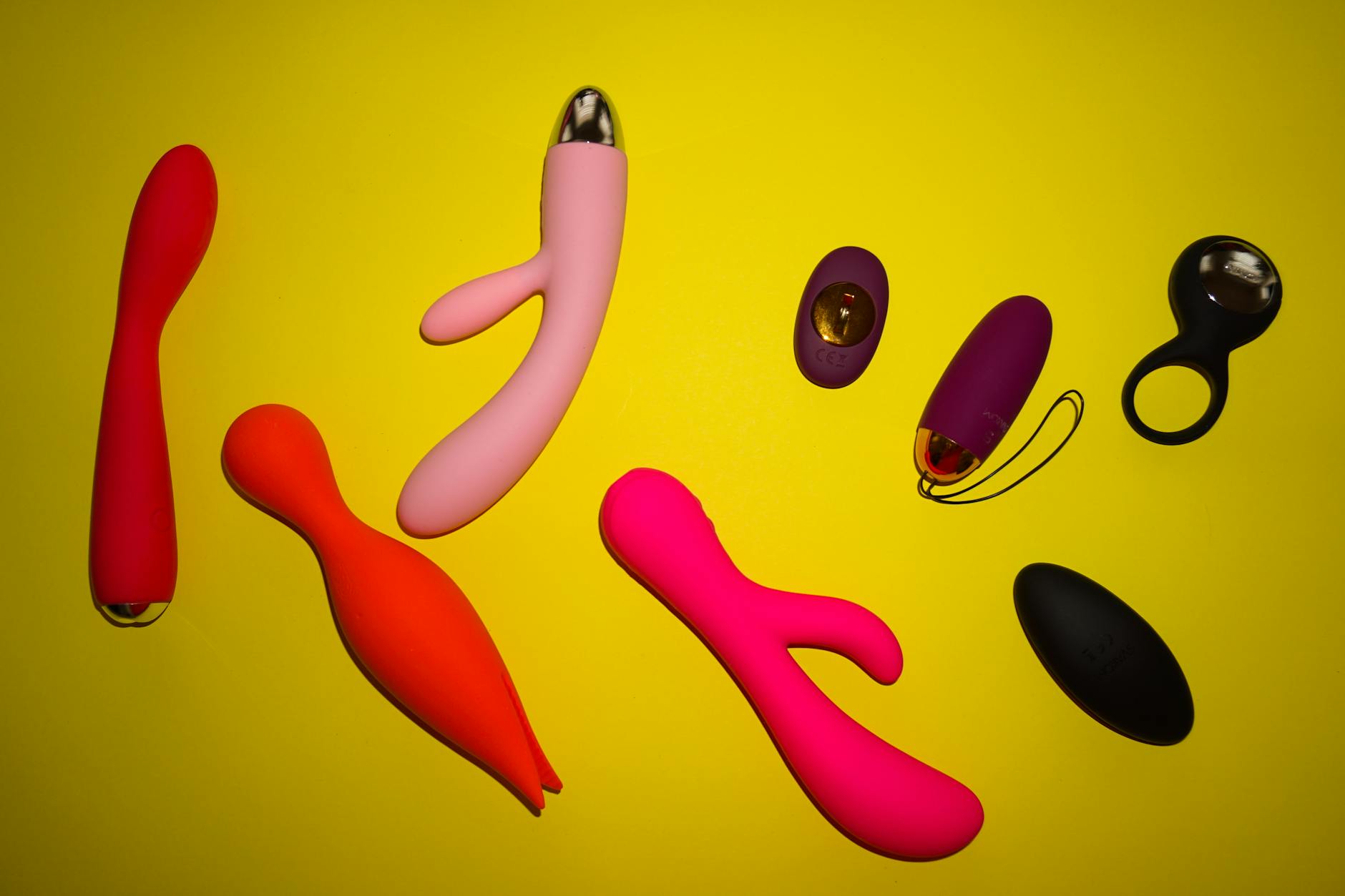
Let's be real about antidepressants and pleasure
You start an SSRI or SNRI to manage depression or anxiety. Within days or weeks, you notice your lemon clitoral vibrator isn't hitting the same way. Sensations feel muted. Orgasms take longer, if they happen at all. Your body feels slower to respond. This is not a side effect you imagined, and it's not something you have to live with permanently.
About 40 to 60 percent of people on antidepressants experience some shift in sexual function. That's not a small number. And yet most prescribers mention it like a weather forecast and then move on.
Here's what's actually happening in your body when you start antidepressants, why lemon vibrators and other toys feel different, and what you can genuinely do about it.
How antidepressants affect the nervous system
Most antidepressants work by increasing serotonin availability in your brain. That's the oversimplified version, and it's useful enough. But here's the part that matters for pleasure: serotonin is everywhere. Your gut, your spinal cord, your genitals—they all have serotonin receptors.
When you flood your system with serotonin, your nervous system becomes less responsive to stimulation overall. Your threshold for arousal goes up. The chain reaction that usually happens when you use a lemon vibrator—nerves fire, blood rushes, sensation builds—gets slightly quieter. Everything still happens. It just happens slower and more quietly.
There's also a dopamine component. Pleasure involves dopamine, and some antidepressants suppress dopamine as a side effect. If serotonin is the brain's chill-out chemical, dopamine is the reward signal. Turn that down, and everything feels more muted.
Additionally, some medications can delay your body's ability to reach orgasm. This is particularly common with SSRIs like sertraline, paroxetine, and fluoxetine. You might feel aroused, but your body takes two, three, or four times longer to reach climax than it used to.
Why the first month feels the worst
Your nervous system is recalibrating. During the first two to four weeks on antidepressants, your brain is adjusting to a new baseline of serotonin. This is when sexual side effects often feel most pronounced. Everything feels a little far away. A lemon vibrator that used to reliably get you off in five minutes might take fifteen now.
This is often temporary. Many people find that after six to eight weeks, the nervous system adapts and sensation creeps back up. Not always to baseline—some people do experience persistent changes—but usually substantially better than week two.
This matters because if you're in that first month, the worst response is to give up on your toy or on pleasure altogether. That's not wrong emotionally, but it's not accurate to what your body is actually capable of right now.
Which medications are most likely to cause this
SSRIs (selective serotonin reuptake inhibitors) are the usual suspects. Sertraline, fluoxetine, paroxetine, and escitalopram all carry a moderate risk of delayed orgasm and reduced sensation. Paroxetine seems to be the most likely offender, statistically.
SNRIs (like venlafaxine and duloxetine) also do this, sometimes more intensely because they're raising both serotonin and norepinephrine.
Tricyclic antidepressants, which are older, often have similar effects but tend to get prescribed less frequently now.
Bupropion (Wellbutrin) is actually the exception. It works on dopamine and norepinephrine instead of serotonin, and it rarely causes sexual side effects. Some people even report improved sensation on bupropion. If you're on something else and struggling, this is worth mentioning to your prescriber—though it's not the right fit for every person or every form of depression.
What actually helps
Three practical strategies:
Talk to your doctor before you adjust anything. Do not stop your antidepressant to restore your sex life. That's a conversation to have with your prescriber, not a decision to make on your own. But do tell them what's happening. You have options.
Some doctors will lower the dose slightly. Some will adjust the timing, having you take the medication at night so the peak effect happens while you're sleeping. Some will add a medication like buspirone or bupropion that can counteract sexual side effects. Some will switch you to a different class entirely.
Most importantly, good prescribers want to know this is happening. It's not shameful. It's data.
Give your body more time. If you're in the first six weeks, sensations often improve without any intervention. Budget longer warm-up time. Use your lemon vibrator on a lower pattern setting and let your arousal build more slowly. This isn't settling—it's actually matching your nervous system's current speed.
Layer in additional sensation. Because sensation is muted overall, adding texture or temperature can help. Try different materials. Silk feels different than silicone. Warmth (running a vibrator briefly under warm water before use) can make nerves more responsive. Some people find that partnered touch—having someone else's hands involved—creates additional signal that reaches through the dampening effect.
The conversation with a partner
If you have a partner, this matters. They might notice you're less interested in sex, or that it takes longer. The worst-case scenario is that both of you assume it's about attraction or desire when it's actually about medication and neurochemistry.
Mention it early. Not in the middle of sex, not as an apology, but as information. "I started an antidepressant, and my nervous system is adjusting. Everything takes a bit longer right now, and sensation is quieter. This is temporary, and here's what helps." That's it. That's the whole conversation.
You're not rejecting them. Your body is settling into new chemistry. There's a difference, and naming it matters.
How lemon vibrators specifically help
Air-suction technology like the Lem works particularly well during medication adjustment because it creates stimulation without requiring the level of direct friction that muted sensation might miss. The suction activates different nerve endings than vibration alone, which can feel more noticeable when overall sensation is dampened.
It's also why pattern variation matters more now. With reduced sensation, cycling through different patterns on your lemon vibrator helps your nervous system find the signal it's looking for. Start at a lower pattern and move through them methodically instead of settling on one.
When to expect improvement
For most people, the worst of sexual side effects peak in the first two to four weeks and gradually improve through weeks four to twelve. Some people see major changes. Some see steady improvement. Some find that sensation stabilizes at about 70 percent of baseline.
If you're six months in and nothing has shifted, that's when you have a serious conversation with your prescriber about alternatives or adjustments. But that timeline is worth knowing upfront so you're not spiraling in month two thinking this is permanent.
The bigger picture
Here's what matters: taking care of your mental health is not negotiable. Depression and anxiety destroy far more relationships and far more pleasure than antidepressants ever do. Sometimes medication dulls sensation temporarily. That's a real cost, and it's worth addressing with your doctor. But it's not a reason to choose suffering over treatment.
Your nervous system is adaptable. Your body is resourceful. And the people at Hello Nancy made tools designed to work with your actual body, whatever state it's in right now.
The pleasure doesn't disappear. It just needs a slightly different approach for a few weeks. And then usually, it comes back.
People also ask
Can I use a lemon vibrator while on antidepressants?
Absolutely. Using a lemon clitoral vibrator while on antidepressants is completely safe. The medication doesn't interact with the toy. What might happen is that sensation feels muted or orgasm takes longer, but that's a side effect of the medication, not of using the vibrator itself. Many people find that consistent use of a lemon vibrator during medication adjustment actually helps the nervous system recalibrate more quickly.
Will antidepressants permanently change how pleasure feels?
For most people, no. Sexual side effects often improve or resolve entirely within 8 to 12 weeks as your body adjusts. Some people do experience persistent changes, but this is less common than the initial adjustment period. If you're still experiencing significant effects after three months, talk to your prescriber about options like dose adjustment, timing changes, or adding a medication to counteract the effect.
Does switching antidepressants help with sexual side effects?
It can. Different medications affect dopamine and serotonin differently. Bupropion, for example, rarely causes sexual side effects, while paroxetine frequently does. If sexual side effects are truly intolerable, switching is a legitimate option worth discussing with your doctor. But switching also requires a new adjustment period, so it's not a quick fix.
How long does it take for antidepressant sexual side effects to kick in?
They usually appear within the first week or two of starting medication or increasing the dose. Peak effect typically happens around days four to ten. This early onset is actually useful information because it helps you distinguish medication side effects from other changes in your life or relationship.
Can I take my antidepressant at a different time to reduce sexual side effects?
Sometimes, yes. Some doctors recommend taking the medication in the evening so that peak concentration happens while you're sleeping, which can reduce daytime sexual side effects. This doesn't work for everyone and depends on the specific medication, but it's worth asking your prescriber about. Never change your dosing schedule without consulting them first.
Is it normal for a lemon vibrator to feel different after starting antidepressants?
Yes, very normal. A lemon vibrator isn't the problem—your nervous system's temporary response to new medication is. The good news is that lemon vibrators and other external tools often work better during this period because they provide consistent, external stimulation that your muted nervous system can latch onto. You're not broken. Your body is adjusting.
The bottom line
Antidepressants can change how pleasure feels temporarily. That's real, it matters, and it's worth talking about with your prescriber. But it's also usually not permanent. Your nervous system adapts. Your body finds its way back. And in the meantime, tools like a lemon sucker or lemon vibrator can help you keep pleasure in your life while you're settling into medication. You deserve both mental health support and sexual well-being. You don't have to choose.