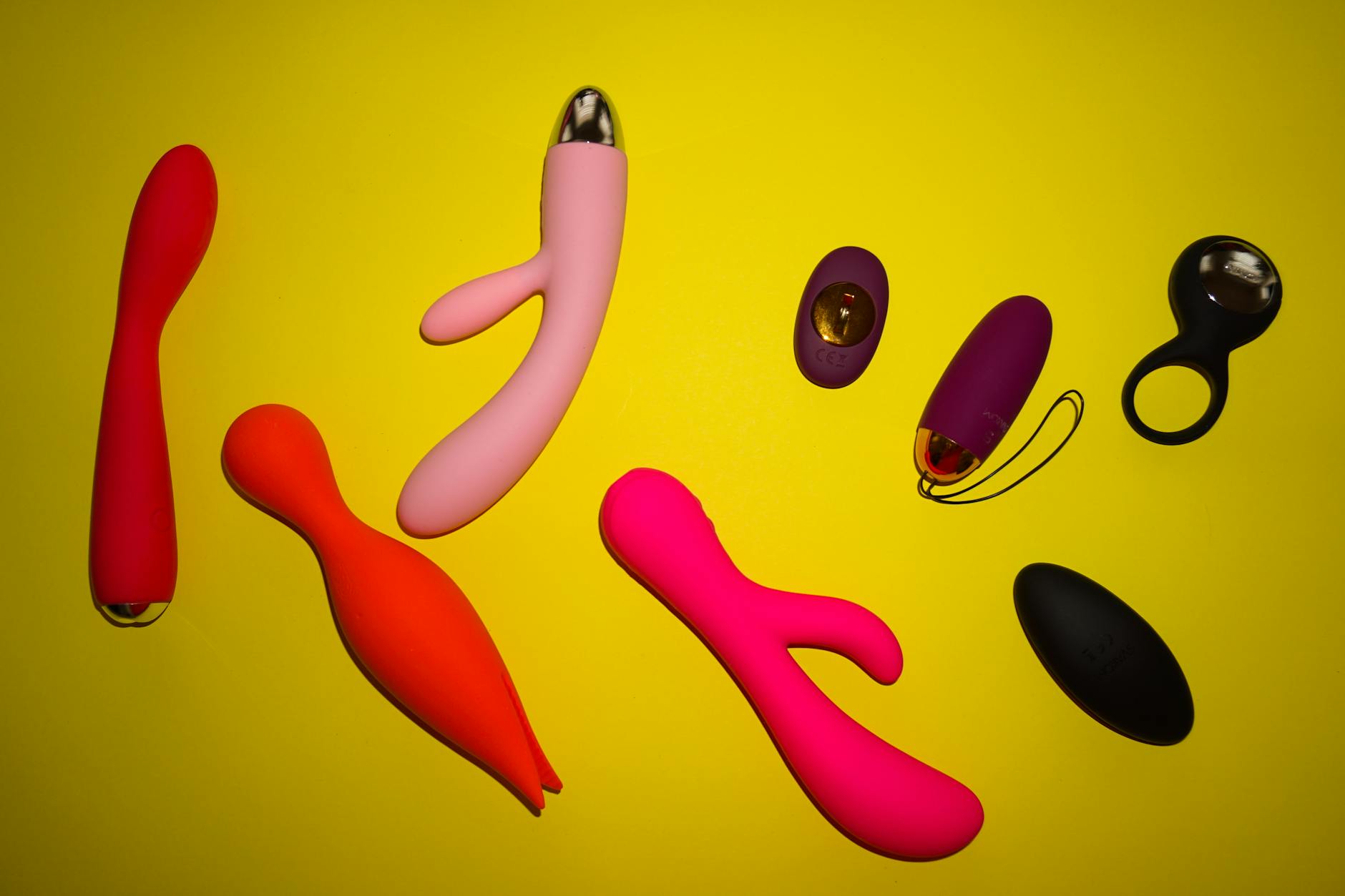
The thing nobody warns you about
You start an antidepressant. Your mood stabilizes. Your anxiety drops. Then you reach for your lemon clitoral vibrator and something feels off. The sensation isn't numb exactly. It's just... slower. Distant. Like you're experiencing pleasure through a pane of glass.
This is real. It happens to about 30 to 40 percent of people on SSRIs and SNRIs. And the frustrating part? Your doctor probably didn't mention it, and you might think it means the medication isn't right for you. Often it just means your body is adjusting to a chemical change.
How antidepressants affect arousal at the neurochemical level
Here's the thing. Depression and anxiety live in your nervous system. So do orgasms. SSRIs (selective serotonin reuptake inhibitors) and SNRIs (serotonin-norepinephrine reuptake inhibitors) work by changing how your brain recycles neurotransmitters, primarily serotonin. This is brilliant for mood stability. But serotonin also plays a role in sexual response, particularly in the orgasm phase.
When you first start an SSRI, your serotonin levels spike. This can actually suppress dopamine temporarily, and dopamine is what drives desire and the reward center of your brain. Low dopamine doesn't mean you don't want sex. It means the anticipation and the rush feel muted.
During orgasm specifically, serotonin levels drop naturally. That drop is part of what creates the intense sensation. If your baseline serotonin is now higher due to medication, that natural dip is smaller. The contrast is smaller. The intensity feels less pronounced.
This isn't your lemon vibrator working worse. It's your neurochemistry working differently. Which is actually good news, because it often stabilizes.
Why the adjustment period matters
Most people experience the worst of this effect in the first two to four weeks of starting medication. Your body is still recalibrating. The serotonin system is trying to find equilibrium.
After six to eight weeks, many people report that arousal and orgasm sensation creep back to something closer to baseline, even while staying on the same dose. Your nervous system adapts. It's not that the medication stops working. It's that your body learns to live with the new chemical balance.
Some people level out completely. Others notice a lasting but smaller shift in how quickly arousal builds or how intense orgasms feel. That's not failure. That's just the trade-off. Most people taking SSRIs say the mental health benefit is worth a slightly quieter orgasm.
But here's what I want to be clear about: the ability to have an orgasm usually doesn't disappear. The intensity might be different. The speed might change. But the neural pathways are still there.
What changes and what doesn't
Let's separate the facts from the myths, because this matters for how you troubleshoot.
What often changes: how quickly you warm up, how intense sensation feels at the peak, how easy it is to reach orgasm in a shorter window. Some people find that their body needs more time or more direct stimulation with their lemon vibrator than before.
What usually doesn't change: your capacity for pleasure, your desire, your ability to have orgasms (in most cases). The clitoral nerve density hasn't changed. The blood flow capacity hasn't changed. The reflex itself is still there.
I've had clients report that after the adjustment period, their orgasms feel different but actually deeper, more full-body. This isn't everyone's experience, but it's common enough that it's worth staying open to.
The practical adjustments that help
If you're on an SSRI or SNRI and your lemon clitoral vibrator doesn't feel the same, try these first.
Extend your warm-up time. Give yourself 20 to 30 minutes instead of 10. This matters because arousal is building normally. It's just building against a different neurochemical backdrop. More time under stimulation can help you reach the same peak, even if the path is longer.
Use a lower pattern to start, then layer up. The Lem vibrator offers multiple intensity settings. Begin at pattern 1 or 2 and give it time. Building arousal gradually, rather than jumping to high intensity right away, can actually make sensation feel more accessible.
Add texture or variety. If direct stimulation feels less intense, try pairing your vibrator with other sensations. Nipple stimulation, a different body position, mental focus shifts. You're not trying to force the old feeling. You're building a new one.
Check your timing. If you take your medication in the morning, afternoon pleasure sessions might feel more responsive than early morning ones, as the medication peaks in your system during midday and tapers slightly by evening. This varies by person, but it's worth experimenting.
Stay hydrated and well-slept. This sounds basic, but medication effects are more pronounced when your nervous system is already stressed or depleted. These factors are hugely underrated.
When to talk to your doctor
If you notice a complete loss of desire, not just a shift in sensation, that's worth mentioning. If you were having orgasms before and now you can't reach them no matter what, that's also a conversation starter. Some people genuinely don't feel well on a particular SSRI and switching to an alternative can help.
SNRIs sometimes have a gentler effect on sexual response than SSRIs, so switching classes might be worth discussing. Some doctors will also suggest taking a dose right after an orgasm rather than before, which can change the timing of peak medication levels. These are real clinical strategies.
But here's what I've seen most often: people assume the problem is the medication, stop taking it, depression returns, and pleasure is the last thing they care about anymore. The point is to have the conversation with your doctor about options before you decide the trade-off isn't worth it.
The longer view
Your body is working to keep you mentally healthy. That's the priority. Your pleasure matters too, and it's not gone. It's different. And different can absolutely still be good.
Many of my clients who've been on SSRIs for years tell me that their sexual response stabilized and improved once they got past that early adjustment window. Some discovered new ways to reach pleasure that actually feel more satisfying than before. Others found that the mental clarity that came with stable mood made their intimate life better in ways that had nothing to do with sensation.
If you're struggling with this right now, give yourself grace. Your brain is healing. Your body is adapting. The lemon vibrator you love still works. It just might work differently for a little while.
People also ask
How long does it take for sexual side effects from antidepressants to go away?
Most people see improvement between six and eight weeks as their body adjusts to the medication. For some, sensation returns to near-baseline within a few months. Others experience a persistent but smaller shift in arousal or orgasm intensity. The timeline varies by person, medication, and dose. If you're still experiencing significant changes after three months, that's a good time to check in with your prescribing doctor.
Can you switch antidepressants if they're affecting your sexual response?
Yes. SNRIs are sometimes gentler on sexual response than SSRIs, and some people find that a different SSRI works better for them. Bupropion (Wellbutrin) is known for having fewer sexual side effects than other antidepressants, though it's not right for everyone. Your doctor can discuss options specific to your mental health needs and your concerns about sexual response. The goal is finding a medication that supports both your mood and your quality of life.
Will using a lemon vibrator feel normal again after I adjust to antidepressants?
For many people, yes. Once your body acclimates to the new serotonin level, arousal and orgasm sensation often feel much closer to what they were before. This usually happens within two to four months. Some people do experience a lasting shift, but it tends to be smaller than the initial change. The capacity for pleasure doesn't disappear. The experience just evolves.
Is it normal for a lemon clitoral vibrator to feel less intense after starting an SSRI?
Completely normal. About one in three people on SSRIs experience this. The vibrator itself hasn't changed. Your neurochemistry has. The sensation you get from your lemon vibrator depends on how your brain processes that stimulation, and SSRIs change that temporarily. This is actually a sign the medication is working at a neurological level.
Can I time my antidepressant dose to avoid sexual side effects?
Some people find that taking their medication at a different time of day shifts when they experience the strongest effects. For example, taking an SSRI in the evening instead of the morning might leave you more responsive in the afternoon. You can also discuss with your doctor whether taking your dose immediately after sex rather than before might help. These strategies don't work for everyone, but they're worth exploring with medical guidance.
Should I stop taking my antidepressant because it's affecting my pleasure?
Not without talking to your doctor first. Stopping suddenly can cause discontinuation effects that are often worse than the original depression or anxiety. If the sexual side effects are significantly affecting your quality of life, that's a legitimate reason to have a conversation about switching medications or adjusting your approach. But stopping cold isn't the answer. A better path is working with your prescriber to find a solution that supports both your mental health and your intimate life.