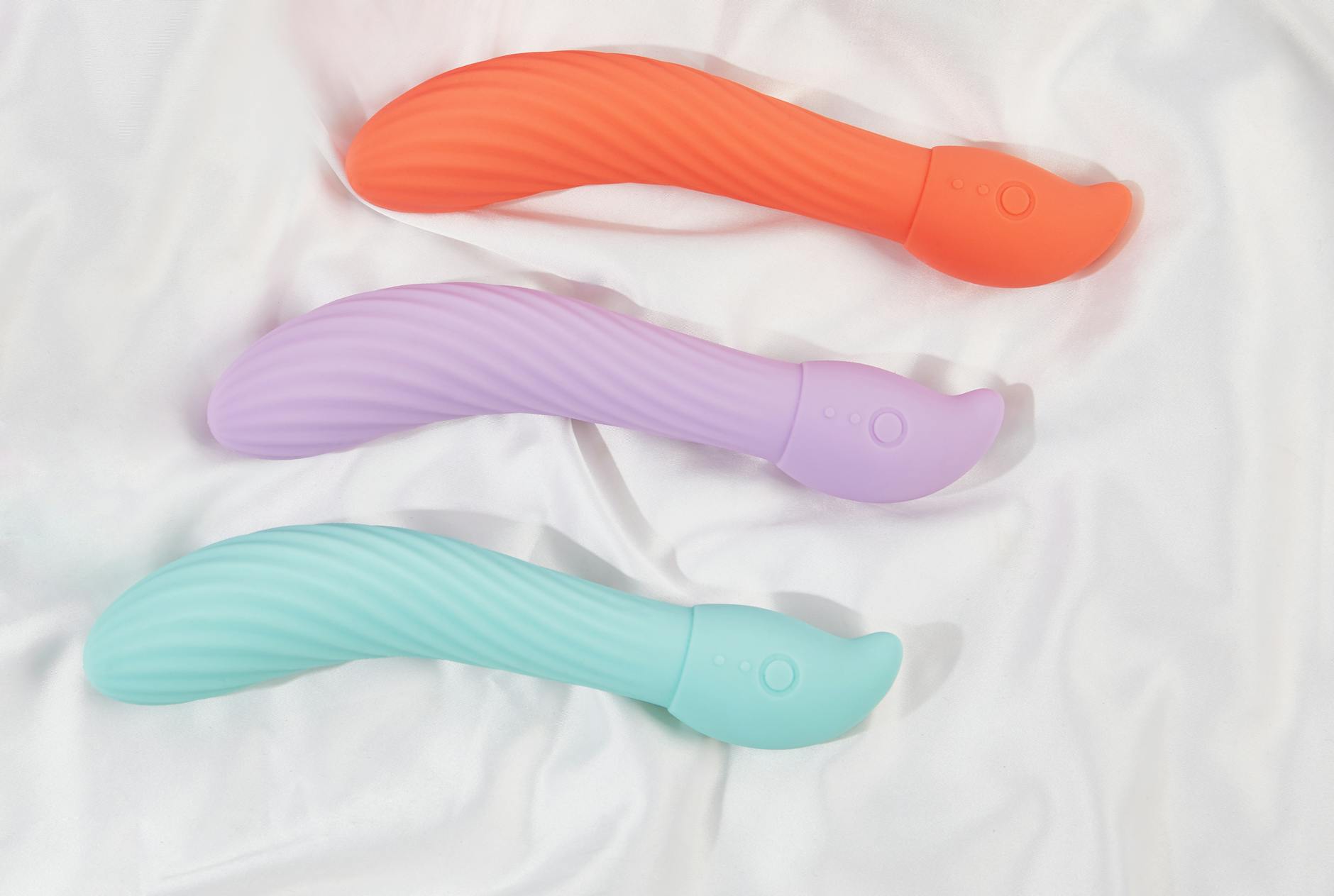
Let's talk about what's really happening
You come off birth control for a dozen possible reasons. Maybe you're switching to a different method, planning a pregnancy, dealing with side effects, or just ready for your body to be yours again without the hormone override. Whatever the reason, here's what nobody quite tells you: your body's response to pleasure is about to shift significantly.
If you use a lemon vibrator or any clitoral vibrator, you'll probably notice it feels different within the first few weeks. Not broken. Not wrong. Just different. And the difference matters because it means you might need to adjust how you're using it, what intensity settings work, or even how long foreplay needs to be.
I'm going to walk you through why this happens physiologically, what to expect, and exactly how to keep your sexual experience feeling good while your body recalibrates.
The hormone cocktail you've been living with
Birth control pills, patches, implants, and IUDs release synthetic hormones that suppress your natural cycle. The most common versions use ethinyl estradiol (a synthetic estrogen) and progestin in combinations designed to keep your ovaries quiet and your reproductive system steady.
These hormones don't just prevent pregnancy. They change everything. Your skin, your mood, your body temperature, your energy levels, your muscle recovery, and yes, your sexual response.
Most importantly for pleasure, hormonal birth control flattens the hormonal peaks and valleys. Your natural testosterone (the hormone that directly drives desire in all bodies) stays suppressed. Estrogen stays elevated and steady instead of fluctuating. This creates a kind of sexual baseline. You get used to this version of your pleasure response, and it becomes your normal.
Then you stop taking it, and your hormones start doing what they evolved to do again.
What happens in your body when you quit
Within days of stopping, synthetic hormones clear from your bloodstream. Your pituitary gland wakes up and starts signaling your ovaries to restart production. Your natural testosterone begins rising again.
For the first month or two, your body is honestly chaos. Hormone levels spike and dip unpredictably as your system remembers how to regulate itself. After 2-3 months, most people find a new rhythm, but you'll feel the variations month to month as your natural cycle returns.
Here's what this means for how a lemon vibrator or any clitoral vibrator feels:
Higher testosterone increases sensitivity and arousal, which sounds good until it means your usual settings feel too intense. Fluctuating estrogen changes blood flow to genital tissue, affecting how quickly you get aroused and how strong orgasms feel. Your natural cycle means your body will respond differently depending on where you are in your period. Some days the vibrator will feel perfect. Other days, same settings, different sensation entirely.
Why your first week off is not your forever experience
Don't panic if days 3-10 off birth control feel weird. Your body is purging synthetic hormones while ramping up natural ones. Many people report decreased arousal, weird sensations, or decreased sensitivity during this window. This passes.
Weeks 2-6, testosterone rises and peaks. Many people experience a surge in desire and sensitivity. If you've been on birth control for years, you might not recognize this heightened arousal state. It can feel almost overwhelming compared to what you're used to. Your usual intensity settings on your lemon vibrator might suddenly feel too strong. Start lower, go slower.
After 2-3 months, you hit a new steady state. Your body has remembered its natural pattern. You'll still have a cycle (if you ovulate), which means your pleasure response will vary slightly throughout the month. This is normal. It's also why tracking what feels good when can be genuinely useful.
How to adjust your technique with any clitoral vibrator
If you're used to hopping straight to pattern 4 on your lemon vibrator, you might need to start at pattern 2 or 3 for the first few weeks. The increased sensitivity isn't permanent, but it's real while it's happening.
Longer warm-up time helps. I know the increased desire means you want to get straight to it, but your body needs a few extra minutes to catch up with your brain. Build anticipation. Let your arousal climb before you introduce the vibrator.
More lubrication might surprise you because you'd think higher hormones mean more natural wetness. Sometimes yes. But fluctuating hormones can also create dryness, even when desire is high. A good water-based lubricant takes the guess-work out of it. It also makes the transition smoother if you're experiencing any unexpected sensitivity.
If you're using your lemon vibrator with a partner, tell them what's changing. "I might need softer stimulation for a bit" or "I'm going to be more sensitive for the next couple weeks" isn't complicated, and it stops you both from assuming something's wrong when it's just your body relearning its own language.
The unexpected bonus many people find
Here's the thing nobody warns you about: after 2-3 months off birth control, a lot of people discover their best orgasms in years. This isn't universal, but it's common enough that I mention it to every client coming off hormonal contraception.
Your natural testosterone is higher than it was on pills. Your arousal threshold is lower. Your orgasms often feel stronger and more whole-body because your hormones are fluctuating naturally instead of staying flat. Many people report that their interest in sex, which might have been suppressed by birth control, comes roaring back. That's not weakness or addiction. That's your actual baseline desire returning.
The Lem and other high-quality lemon clitoral vibrators shine here because they work with your body's natural response instead of overpowering it. The suction-based stimulation of a lemon vibrator mimics what your body can do naturally, which means as your arousal deepens, the stimulation feels better rather than becoming numb or overwhelming.
What's harder and what's better
Three things often get harder after coming off birth control.
First: mood stability. Birth control hormones smooth out emotional fluctuations. Without them, you might feel more, which includes anxiety, sadness, and anger, but also joy and connection. This can affect desire, so don't be surprised if some weeks you want sex constantly and other weeks you need emotional intimacy before physical stimulation lands right.
Second: period symptoms return. If you were on birth control to manage painful periods or heavy bleeding, those symptoms will come back. Pain during or around your period can absolutely affect how your clitoral vibrator feels. This isn't a problem with the vibrator. It's information about where your body is in its cycle.
Third: acne often returns, especially in the first 2-3 months. This is a hormonal thing, not a reflection of anything you're doing wrong. It passes as your body stabilizes, but it's another reminder that your whole system is recalibrating.
What gets better: your body feels like yours again. You're not overriding your natural system. You're not suppressing your actual desire baseline. You're working with your biology instead of against it. For a lot of people, that shift alone makes the adjustment period worth it.
The partner conversation that matters
If you're with someone, the easiest mistake is assuming any change in your sexual desire or response is about the relationship. It's not. Your body is recalibrating. That's separate from emotional connection.
The conversation to have: "My hormones are stabilizing after stopping birth control, and my body's responding to pleasure differently for a bit. That doesn't mean anything about how I feel about you or us. It just means my pattern of arousal and what feels good might shift week to week for the next few months."
This prevents a million misunderstandings. It also gives your partner permission to ask questions instead of guessing. "Does this feel good right now?" is so much better than silently wondering if something's changed between you.
When to check in with a doctor
Some changes after stopping birth control need professional eyes.
If you're experiencing pain during sexual activity that wasn't there before, especially increasing pain, talk to a gynecologist. Changes to your cycle are normal. Changes to pain patterns are not.
If your period doesn't return within 3 months, or if you're experiencing severe mood changes, depression, or anxiety that doesn't improve, these are worth discussing with a doctor. They can help you figure out if it's part of the normal adjustment or something else worth addressing.
If you used birth control to manage a medical condition like endometriosis, painful periods, or PCOS, your symptoms will likely return. Plan to revisit that conversation with your doctor about management options.
The good news: you don't have to guess whether any of this is normal. Your body is going to give you very clear signals over the next few months. The goal is just to listen to it and adjust accordingly.
Your lemon vibrator is still your friend
Your body changing doesn't mean your clitoral vibrator stops working. It just means you're getting to know your body again, which honestly is kind of the whole point. You get to discover what you actually like when synthetic hormones aren't managing your response. That's not a problem. That's freedom.
Start with lower intensity. Take longer to warm up. Use lubrication. Track what feels good when. And give yourself permission to be a little patient while your body remembers how to be itself. The adjustment window is temporary. The pleasure on the other side is genuinely worth it.
FAQ: Your questions about lemon vibrators and post-birth-control pleasure
How long does it take for your body to feel normal after stopping birth control?
Most people experience significant hormone restabilization within 2-3 months, but it can take up to 6 months for your cycle to fully regulate if you've been on hormonal contraception for years. Your sexual response will stabilize faster than that, usually within 4-8 weeks. The first month is the wildest. After that, patterns become more predictable. Every body is different, so you might feel "normal" faster or need a bit longer.
Can a lemon vibrator intensity setting that worked before stop working after you quit birth control?
Absolutely. Higher natural testosterone increases genital sensitivity, so a setting you used to love might feel too intense for the first 4-6 weeks. You'll likely go back to it, but starting lower prevents overstimulation and actually helps your body recalibrate faster because you're not pushing past comfort. Think of it like strength training after time off. You start lighter to rebuild your baseline.
Is decreased arousal right after stopping birth control permanent?
No. Days 3-10 off the pill, many people feel a dip in desire as synthetic hormones leave and natural ones are ramping up but haven't peaked. This almost always reverses. By week 3-4, desire usually comes roaring back. If it hasn't bounced back by week 6, that's worth mentioning to a doctor, but immediate post-pill dips in arousal are extremely normal.
Should you use a lemon clitoral vibrator differently during your period after stopping birth control?
Maybe. Some people find that vulvar sensitivity changes during certain parts of their cycle, especially right before and during their period. You might prefer lighter stimulation or different patterns depending on the day. This is information worth gathering. Use your vibrator, notice what feels best when, and adjust accordingly. Your body will tell you.
Can stopping birth control affect how fast you reach orgasm with a clitoral vibrator?
Yes, both faster and slower depending on where you are in your cycle. Higher testosterone (usually mid-cycle) can make orgasm quicker. Hormone dips (usually right before your period) can make it take longer. This variation is normal. It doesn't mean anything is wrong. It's actually a sign that your body's natural response system is working again.
How do you know if changes to your pleasure response are from stopping birth control versus something else?
Timing is the biggest clue. If the change happened within 1-2 weeks of stopping hormonal contraception, it's almost certainly hormonal. If it developed gradually over months, or if it's accompanied by pain, depression, or other symptoms, talk to a doctor. You can also use a tracking app to note what feels good when relative to your cycle. Patterns usually emerge within 2-3 months.
Moving forward
Your body deserves exploration right now. You're literally getting to know your sexual response without pharmaceutical overlay for possibly the first time in years. That's valuable. That's information. A quality lemon vibrator is a tool for that discovery. Use it with curiosity instead of expecting everything to work the way it did before.
The adjustment period is temporary. Your pleasure is not. And honestly, a lot of people find that their best sexual years begin exactly when they decide to stop letting pills decide how their body feels.
If you want to talk through your specific situation or need resources around sexual wellness after stopping hormonal contraception, reach out to us. We're here to help.