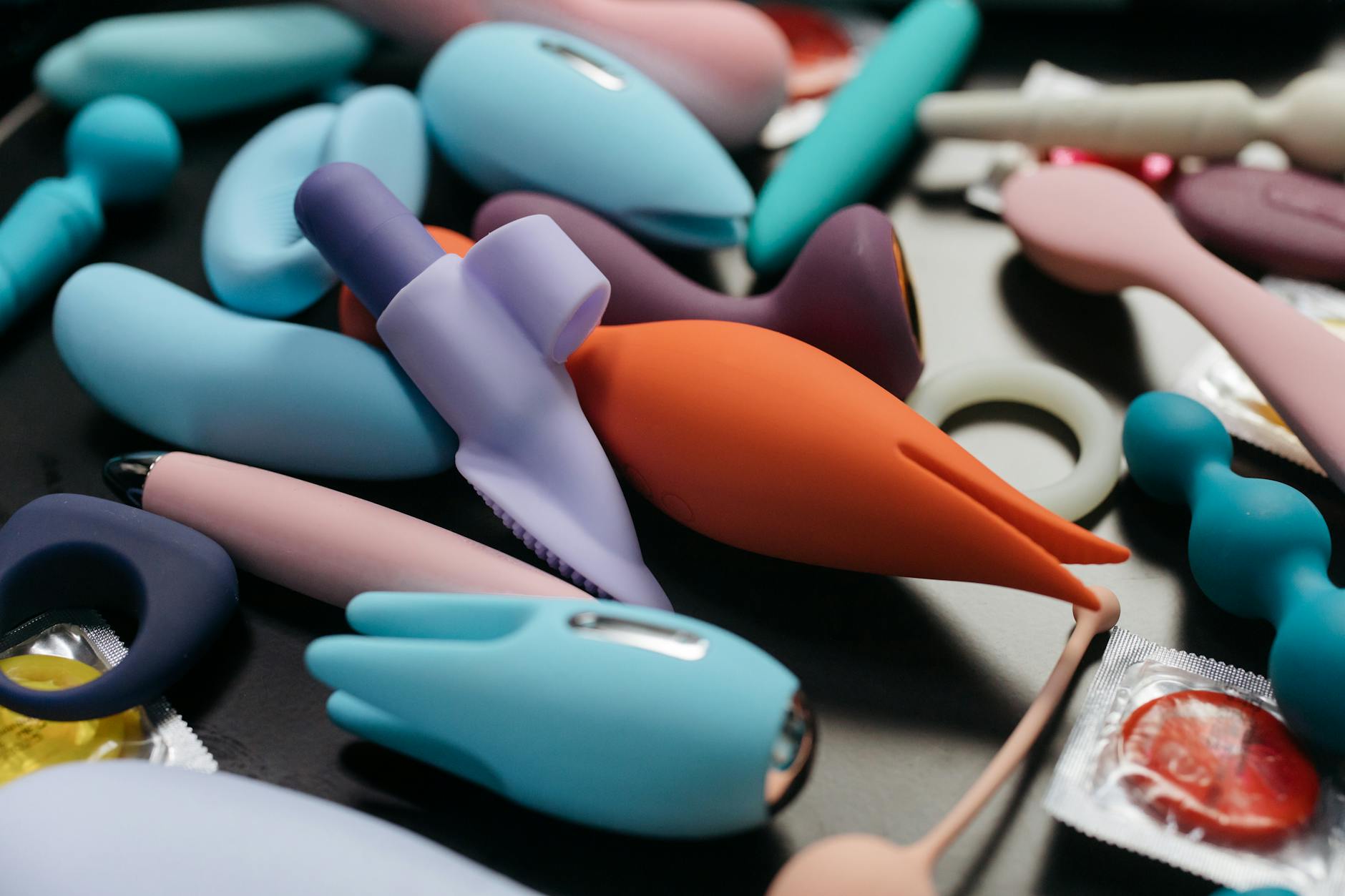
The vibrator that once sent shivers now feels like a gentle hum
You bought your lemon clitoral vibrator because it promised intensity. For the first month, it delivered. Then something shifted. The same setting that used to make you gasp now feels almost... pleasant. Boring, even. You crank up to a higher pattern. Better, but not like before. You're wondering if your toy broke, or if something's wrong with you.
Neither is true. What you're experiencing is sensory adaptation. It's not a flaw in the device or your body. It's your nervous system doing exactly what it's designed to do. And the fix is simpler than you think.
What sensory adaptation actually is
Here's how your nervous system works: when something stimulates your clitoris consistently, your nerve receptors literally stop firing as intensely. This isn't weakness. It's protection. Your brain gets a constant signal about vibration, decides "this is normal, not dangerous," and turns down the volume. It's the same reason you don't feel your socks on your feet after five minutes.
This happens with every sensory experience. Touch your arm right now. You feel it. Leave your hand there for thirty seconds. The sensation fades even though your hand hasn't moved. That's adaptation. It keeps your nervous system from getting overwhelmed by constant input.
With vibrators, the sensation is more intense and more localized, so adaptation feels noticeable. Fast. Like you've already worn out your new toy, or your sensitivity is shot. You haven't and it isn't.
Why lemon vibrators are actually brilliant for this problem
Air-suction devices like lemon clitoral vibrators work differently than traditional vibrators, which matters for adaptation. Suction creates a rhythmic pressure pattern rather than continuous vibration. This means your nervous system has built-in breaks. The sensation pulses. Fades slightly. Returns. This natural rhythm resists adaptation better than steady vibration does.
That said, even the most sophisticated lemon sexual toys will eventually feel less intense if you use them daily in the same way. The issue isn't the toy. It's repetition.
The timeline most people experience
First week: novelty is peak. Everything feels amazing because your nervous system is saying "what is this?" Intensity is maximum.
Weeks 2-4: adaptation begins. Same settings feel slightly softer. You nudge up to pattern 3. Still good. Noticeable but manageable.
Months 2-3: if you stick with the same patterns on the same schedule, sensation continues to decline. You're now using higher settings or longer sessions to achieve the same feeling.
Months 4+: plateau. You've found your "new baseline" and the toy feels stable at that level. You might not return to week-one intensity, but sensation stabilizes.
This is normal. Completely normal. And completely reversible.
How to reset your sensitivity (three actual methods)
1. The break method. Stop using your lemon clitoral vibrator for 1-2 weeks. That's it. Your nervous system resets. Sensation receptors "remember" how to fire at full volume. When you return to your lemon vibrator, intensity feels closer to week one. Not identical, but noticeably sharper. This works every time, and you only need to do it every 6-8 weeks if you use your toy frequently.
2. The pattern rotation method. Don't use the same setting twice. If you used pattern 2 yesterday, try pattern 4 or pattern 1 today. Switch between suction and pulse modes if your lemon sucker has them. Change the angle. Use it for 10 minutes instead of 20. Variety keeps your nervous system from habituating. Your clitoris doesn't adapt to pattern 3 if it never knows what's coming next.
3. The timing method. Extend the time between sessions. Instead of daily, move to every other day or three times a week. Longer gaps between stimulation keep adaptation from building up. Many people find that spacing out lemon vibrator sessions actually increases overall pleasure, because anticipation builds and sensation feels fresher.
What you should NOT do
Don't assume you need a stronger toy. This is the most common mistake. Someone adapts to their lemon vibrator, thinks they need a more intense adult toy, buys something with higher wattage, and experiences the same curve. They're chasing intensity instead of managing adaptation.
Don't blame yourself for "needing" more stimulation. Your nervous system adapting is not a character flaw or a sign you're "too numb." It's neurobiology. Everyone experiences this.
Don't use local anesthetics to "reset" sensation. Some people consider numbing creams to ramp up feeling. Don't. You'll lose sensation feedback and risk injury. The break method works better and doesn't numb anything.
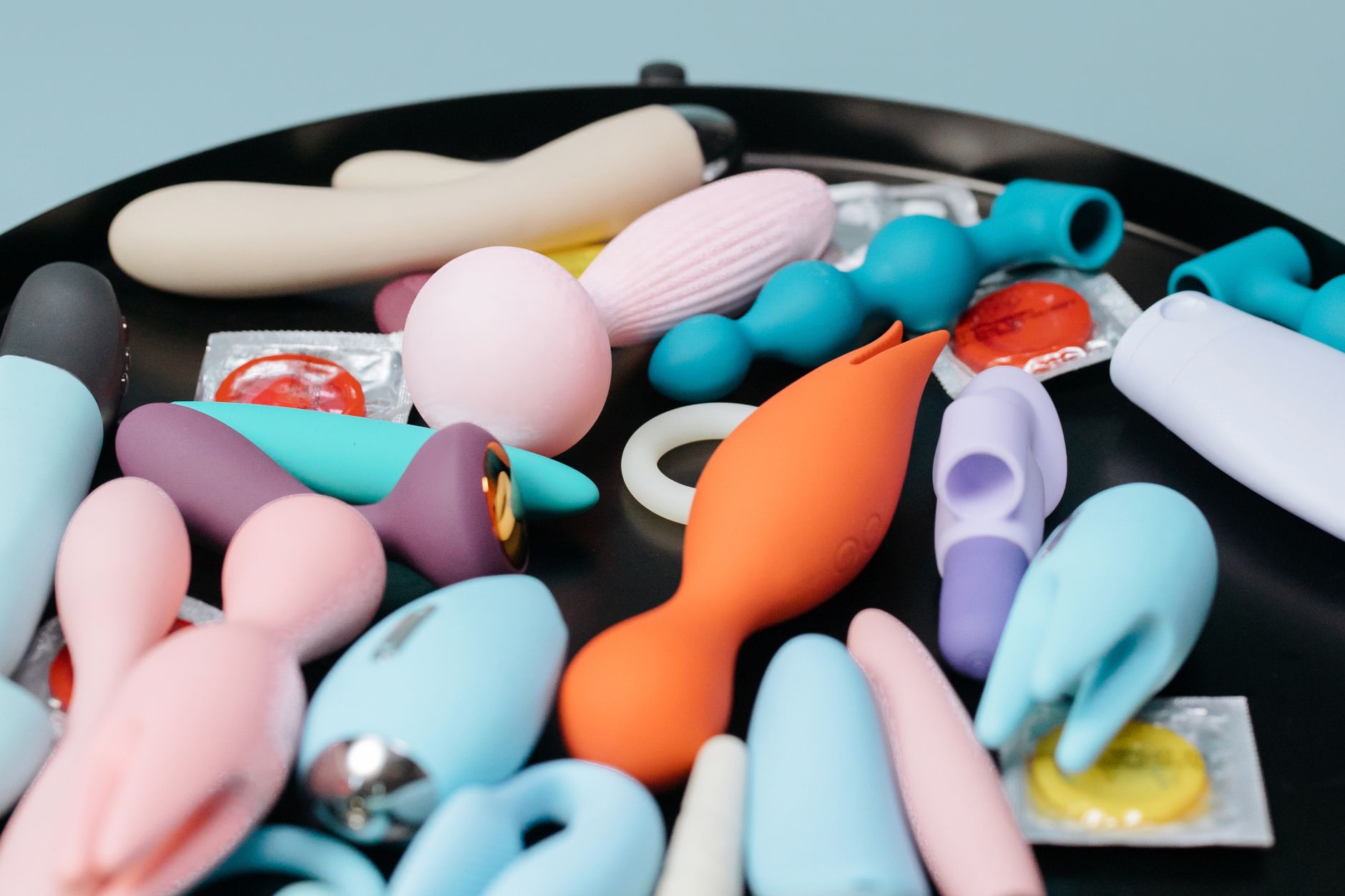
Photo by cottonbro studio on Pexels
The partner angle
If you're using a lemon vibrator with a partner, adaptation can feel like you're less interested in them or the toy. It's neither. It's just adaptation. Talk about it. Explain that you're rotating settings or taking breaks to keep sensation fresh. Some couples find that introducing variety together (different times, different settings, different contexts) actually deepens intimacy because you're both learning what works.
When sensation resets, that's an opportunity to rediscover each other. The break method can accidentally become a reconnection tool.
The pelvic floor connection
Here's something most people miss: if your pelvic floor is tight, sensation from lemon clitoral vibrators decreases faster. A tense pelvic floor numbs stimulation the same way earbuds mute sound in a noisy environment. The clitoris is sitting there trying to respond, but the tissue around it is locked down.
If you've tried the break method and sensation still feels muted, consider pelvic floor release work. Gentle stretching, breathing exercises, or a few sessions with a pelvic floor physical therapist can make a huge difference. When the tissue relaxes, your lemon vibrator will feel intense again. It's not the toy. It's the tension.
When to actually be concerned
Sensory adaptation is normal. But if sensation has completely disappeared and isn't returning even after a 2-week break, that's worth checking. Sometimes numbing is a sign of nerve damage from intense friction, or a symptom of a larger health issue. A gynecologist can do a simple nerve sensitivity test.
Also: if using your lemon sexual toy causes pain, don't push through it. Pain isn't adaptation. Pain is your body saying something's wrong. Stop, rest, and consider talking to a pelvic health specialist.
For most people, though, reduced sensation from your lemon vibrator is just adaptation. It means your nervous system is doing its job. The fix is time, variety, or a short break. Nothing more.
FAQ
Why do lemon vibrators feel less intense over time?
Your nervous system adapts to constant stimulation. Sensory receptors in the clitoris stop firing as intensely when they receive the same input repeatedly. This is a protective mechanism, not a defect. The same adaptation happens with other sensations: you stop noticing background noise or the feeling of your clothes after a few minutes. With vibrators, it's more noticeable because the stimulation is concentrated and intense.
How long does it take for vibrator sensation to return to normal?
A 1-2 week break resets most people's sensitivity. You don't need longer than that. Your nervous system rebounds fairly quickly when stimulation stops. Some people see improvement within 4-5 days, but two weeks guarantees a solid reset. If you're using the pattern rotation method instead, sensation stays fresher consistently without needing a break.
Can I prevent vibrator adaptation entirely?
Not entirely, but you can slow it down significantly. Rotating between settings and patterns, varying your usage schedule, and changing the context in which you use your lemon clitoral vibrator all reduce adaptation. Think of it like exercise: doing the same workout every day creates a plateau. Mixing in variety keeps your body engaged. Same principle applies to sexual sensation.
Does a stronger vibrator prevent sensation fading?
No. People often think they need a more powerful toy when sensation fades, but a stronger lemon vibrator or any adult toy will go through the same adaptation curve. You'll get a few weeks of intense sensation, then adaptation kicks in again. The cycle repeats. The actual solution is managing usage, not upgrading equipment. When you're choosing a lemon clitoral vibrator, intensity shouldn't be your only metric.
Is fading sensation a sign something's wrong with my body?
No. Sensory adaptation is completely normal neurobiology. It happens to everyone, regardless of age, health, or experience level. If you've restored pleasure after clitoral numbness before, you know sensation can return. The same applies here. Fading sensation from regular use is not permanent damage. It's a temporary adjustment your nervous system makes. A break or pattern change reverses it.
Does using lube help with sensation fading?
Lube doesn't stop adaptation, but it can help with comfort if you're increasing intensity or duration to compensate for fading sensation. Some people find that water-based lube makes sensation feel sharper and more distinct on sensitive tissue, which can feel like slight improvement. But the real solution is still managing usage patterns, not adding more sensation-seeking variables. If you feel disconnected from pleasure, lube might help psychologically, but it's not a permanent fix for adaptation.
The bottom line
Fading sensation from your lemon vibrator is not failure. It's not a broken toy. It's your nervous system being responsible. You can reverse it completely by taking a short break, rotating settings, or spacing out usage. Most people find that mixing up their approach not only resets sensation but deepens their overall experience with their toy. Your lemon clitoral vibrator didn't lose its power. You just found the reset button.
Have questions about your lemon sexual toys or how to use them differently? We're here to help.